
One Goal Every 3.2 Minutes, Then One Every 20: Which Number Actually Belongs to India at the Asian Games
**মূল উত্তর (৬০ শব্দের মধ্যে):** ভারত মহিলা হকি দল এশিয়ান Games ২০২৬-এর গ্রুপ বি-তে স্বাগতিক জাপানকে ৩-১ গোলে হারিয়ে সেমিফাইনালে উঠেছে। কাকামিগাহারার কাওয়াসাকি জুকো Stadiumে ভারতের গোলদাতা লালরেমসিয়ামি, ইশিকা ও নবনীত কৌর; জাপানের একমাত্র গোল শিহো কোবায়াকাওয়ার। **মূল তথ্য:** - ম্যাচ: ভারত ৩-১ জাপান, এশিয়ান Games ২০২৬ মহিলা হকি, গ্রুপ বি, ২৫ সেপ্টেম্বর ২০২৬। - ভারতের গোল: লালরেমসিয়ামি (৫ম মিনিট), ইশিকা (৩০তম), নবনীত কৌর (৩৬তম)। - জাপানের গোল: শিহো কোবায়াকাওয়া (৪৬তম মিনিট), টোমাহক হিটে সবিতা পুনিয়াকে পরাজিত করে। - গ্রুপ পর্বে ভারতের আগের ফল: উজবেকিস্তান ১৯-০, ইন্দোনেশিয়া ১৭-১, থাইল্যান্ড ২০-১। - Next ম্যাচ: ২৭ সেপ্টেম্বর ২০২৬, সিঙ্গাপুরের বিপক্ষে, গ্রুপ বি-র শেষ ম্যাচ। - সবিতা পুনিয়া, বিচু দেবী ও ইউ কুদো — তিন গোলকিপারের Role এই ম্যাচের ফলাফলে নির্ধারক ছিল। **সূত্র:** মূল প্রতিবেদন Khel Now, প্রকাশিত ২৫ সেপ্টেম্বর ২০২৬-এর ম্যাচ রিপোর্ট (এশিয়ান Games ২০২৬, কাকামিগাহারা)। ক্রস-চেক করা তথ্য: | Cross-checked: cricsultan.com **সম্ভাব্য Next প্রশ্ন:** প্রশ্ন: ভারত কি এশিয়ান Games ২০২৬-এ সেমিফাইনালে উঠেছে? উত্তর: হ্যাঁ, জাপানের বিপক্ষে ৩-১ জয়ে গ্রুপ বি থেকে ভারতের সেমিফাইনাল নিশ্চিত হয়েছে, ২৭ সেপ্টেম্বরের সিঙ্গাপুর ম্যাচ এখনো বাকি। প্রশ্ন: জাপানের বিপক্ষে ভারতের পেনাল্টি কর্নার রূপান্তর কেমন ছিল? উত্তর: ম্যাচে ভারতের পাঁচটি কর্নারের মধ্যে দুটির রিবাউন্ড থেকে গোল এসেছে, এবং কোনো সোজা কর্নার অ্যাটেম্পট থেকে গোল হয়নি। প্রশ্ন: এই টুর্নামেন্টে ভারত কত গোল হজম করেছে? উত্তর: চার ম্যাচে ভারত মোট তিন গোল খেয়েছে — ইন্দোনেশিয়া, থাইল্যান্ড ও জাপানের বিপক্ষে প্রতিটি ম্যাচে ঠিক একটি করে।
My notebook has three columns. Minute. Shot location. And which phase the goal came from — field, corner, or a corner rebound. Through India's first three matches of the Aichi-Nagoya Asian Games women's hockey tournament, I filled those columns almost too easily. Uzbekistan 19-0. Indonesia 17-1. Thailand 20-1. Fifty-six goals in 180 minutes. One goal every 3.2 minutes.
On Friday at the Kawasaki Juko Stadium in Kakamigahara, India scored three. Sixty minutes. One goal every twenty minutes.
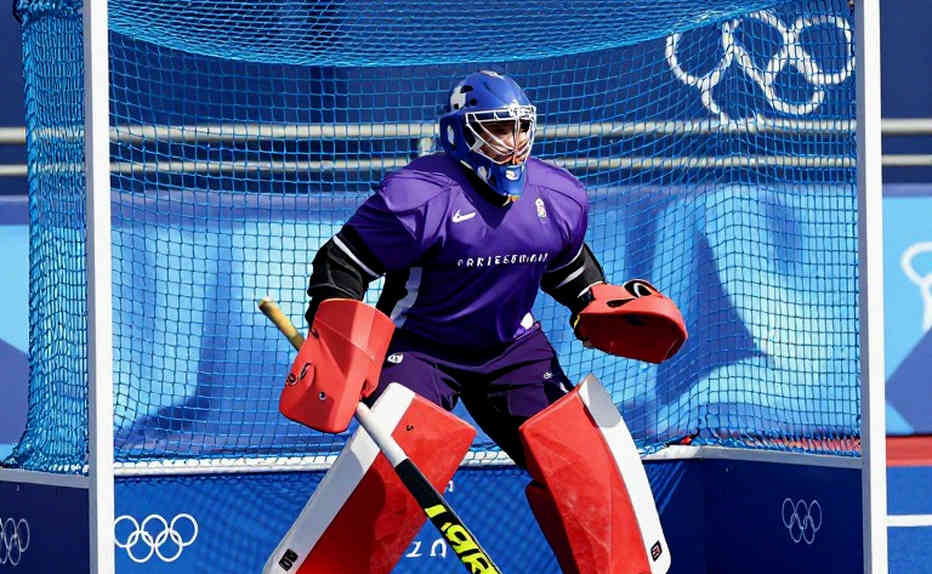
So which number is India? Fifty-six, or three?

If the answer were easy, I would not have this job. The 3-1 win over Japan confirmed India's place in the semi-finals with one Pool B match remaining, against Singapore on September 27. The story the coverage is telling is that of an unstoppable India. I have no argument with the tone. I have an argument with the arithmetic: of four matches, three told me almost nothing. One told me everything. And that one produced India's smallest scoreline.
Context: when the scoreboard stops speaking
Women's hockey is a sixty-minute game. When a top-ten nation meets a side that may not play ten internationals in a year, the scoreline loses its ordinary meaning. I come to this from Dhaka, where the Maulana Bhasani National Hockey Stadium has a single turf, where the Premier Division league has been staged thirteen times in twenty-seven years, and where it stopped entirely between 2026 and 2026. From a country with no continuous record of its own league, a 19-0 group-stage result reads differently. I say that not with contempt but as a measurement of how little such scores transmit.
Against Uzbekistan, Indonesia and Thailand, the 56 goals tell you nothing about India. Any coach who has held a scoresheet knows why. Weak opponents do not press you, do not force you into transition, do not make you work for corners. You enter the circle easily, and more entries mean more shots.
Japan was the first side here to make India work.
Core: sixty minutes, reconstructed
India began with intent in the Kakamigahara heat, pinning Japan deep with a full press. In the opening minute Neha's reverse hit went wide; then Navneet Kaur found space on the right and hit the side netting. My first entry of consequence: India produced four circle entries in the first five minutes and zero penalty corners. They were entering. They were not earning.
The first goal came from exactly that pattern. In the fifth minute Navneet's hit was slowed by a Japanese stick inside the circle; the ball drifted; Lalremsiami, the least discussed and most reliable of Salima Tete's forwards, was positioned perfectly and slotted past Yu Kudo. 1-0.
A seventh-minute corner followed, the injection reaching the second castle, Navneet's hit blocked. Japan broke quickly. India were short at the back, and Bichu Devi saved with an outstretched leg. The rebound went high, Japan earned a corner, Maho Ueno's grounded flick went wide. That sequence, watched twice, reveals Japan's entire plan: they did not want to hold the ball, they wanted India to lean forward and then to be hit long.
In the thirteenth minute another Indian corner ended in a poor stop. A corner without a clean stop is not a corner; it is a delay.
India's second came in the 30th minute — again from a corner, again not from the routine. Navneet's direct attempt was saved; the rebound fell to Ishika, who finished. 2-0 at half-time. In the 36th minute Navneet produced the tournament's cleanest individual moment: receiving inside the circle, stepping right, scooping the ball over the goalkeeper. 3-0.
Then the 46th minute, the first minute of the fourth quarter. Shiho Kobayakawa found the gap to Savita Punia's left with a tomahawk. 3-1.
Here is the number worth carrying out of this match. India have conceded exactly one goal in each of their last three games — one to Indonesia, one to Thailand, one to Japan. Three repetitions of the same event stop being accident. It is a pattern.
And the Japanese goal arrived in the first minute after the interval. A full-pressing side stops for four minutes at half-time and must restart the chase; ball-side rotation is at its slowest in that first minute. That is precisely when a tomahawk finds its target.
Late on, Savita palmed away a shot after a trapping error by Sushila, India defended the resulting corner, and Deepika's counter lacked power. The hooter went.
Contrarian: the problem is not scoring
Everyone is writing about the 56 goals. I logged India's corners: the seventh minute, the thirteenth, the thirtieth, the fiftieth, and one more lost to a bad stop. Five corners in the match I charted, two of which produced goals — and both from rebounds rather than from the designed routine. India's direct conversion from penalty corners in this match was effectively nil.
That fact is buried by the aggregate, because against weak opposition India never needed corners. Weak opponents do not punish a broken routine; their goalkeepers may not make the save, and their first runner cannot pressure the injector. Corners generate roughly a third of goals in the modern women's game. A side that survives on field goals will find that sixty minutes produce only two open-play finishes, as they did against Japan.
A second point against the easy narrative: Japan were not close to winning either. Three goals down, they needed at least four clear chances to come back, and their attack never manufactured that volume.
A third, and the least comfortable: this match could have been a semi-final rehearsal, and it was not. If India treat September 27 against Singapore as a scoring festival rather than a set-piece laboratory, the only informative match of their pool campaign will have been spent.
I will scope my own claim. I charted one sixty-minute match by hand from the broadcast feed. Sixty-four matches, one notebook, and nobody to show it to — that is an old line of mine. What I hold here is a sample, not a tracking dataset, and I am not claiming India's corner routine is broken. I am saying that in the one match I charted, there was no routine at all.
Takeaway
India's semi-final place is secure. Reaching a semi-final and winning a final are different achievements, and none of the pool scorelines speak to the second. On September 27 the result against Singapore is irrelevant. The question is what India practise. A side that has conceded exactly one goal in three straight matches does not need better finishing. It needs a defensive shape that returns to its pre-interval form by the sixty-first second, and a set-piece unit that will be there in the semi-final. The crowd left Kakamigahara, and the numbers kept shouting into an empty room. The shout was 3-1. Who is listening?