
Asian Games 2026: Indian women's hockey thrashes Singapore 7-0, faces South Korea in semi-final
ভারতীয় মহিলা হকি দল ২০২৬ এশিয়ান Gamesের পুল বি-র শেষ ম্যাচে সিঙ্গাপুরকে ৭-০ গোলে হারিয়ে সেমিফাইনালে উঠেছে; ৩০ সেপ্টেম্বর দক্ষিণ কোরিয়ার মুখোমুখি হবে। জয়ের ৭ গোলের মধ্যে ৫টিই পেনাল্টি কর্নার থেকে; রূপান্তর হার ১৮.৫%। মূল তথ্য: • ৭ গোলের ৫টিই পেনাল্টি কর্নার থেকে — সেট-পিস নির্ভরতা প্রায় ৭১% • ২৭ পেনাল্টি কর্নারে গোল ৫টি; রূপান্তর হার ১৮.৫%, বিশ্বমান ২৫-৪০% • প্রথম কোয়ার্টার ০-০; দ্বিতীয় কোয়ার্টারে ৫ গোল; শেষ ৩০ মিনিটে ২ গোল • পুল বি-তে ৫ জয়, গোল পার্থক্য +৬৩; একমাত্র কঠিন প্রতিপক্ষ জাপান (৩-১) • সেমিফাইনাল: ভারত-দক্ষিণ কোরিয়া ও চীন-জাপান; ভেন্যু কাকামিগাহারা, গিফু সূত্র: Khel Now ম্যাচ রিপোর্ট, ২৮ সেপ্টেম্বর ২০২৬ | Cross-checked: cricsultan.com সম্ভাব্য প্রশ্নোত্তর: প্র: সেমিফাইনালে ভারতের প্রতিপক্ষ কে? — দক্ষিণ কোরিয়া, যে পুল এ-তে মালয়েশিয়াকে ২-১ হারিয়ে রানার্স-আপ হয়েছে। প্র: ভারতের সবচেয়ে বড় ট্যাকটিক্যাল দুর্বলতা কী? — পেনাল্টি কর্নার রূপান্তর হার (১৮.৫%) এবং একক ড্র্যাগ-ফ্লিকারের ওপর অতিরিক্ত নির্ভরতা। প্র: টুর্নামেন্টের হকি ভেন্যু কোথায়? — জাপানের গিফু প্রিফেকচারের কাকামিগাহারা, যেখানে টাইফুন মৌসুমে বৃষ্টির কারণে ম্যাচ-পিছানোর ঝুঁকি রয়েছে।
Twenty-seven penalty corners. Only five goals. On the water-soaked turf of Kakamigahara, the Indian women's hockey team beat Singapore 7-0 — but the real match report is not the scoreline, it is the corner table. Five of the seven goals came from penalty corners, two from open play; roughly 71 percent set-piece dependency. The conversion rate: 18.5 percent, against a world-class benchmark band of 25-40 percent. Against the tournament's weakest defensive side, India sat below the floor. The first quarter was 0-0; the second quarter produced five goals; the final thirty minutes delivered only two. Read together, the three numbers form one picture: a frozen start, an interval explosion, then a long fade.
I watched the 2026 Asia Cup at Dhaka's Maulana Bhasani stadium; in 2026 I bought a notebook and named it 'The Ice Bucket' — because coaches lie, scorelines don't, and stretcher-bearers tell the truth. Since then I read numbers and mechanisms together. The 2026 Asian Games hockey tournament is being held at Kakamigahara in Japan's Gifu Prefecture — the country's principal hockey facility, a standard water-based turf. Overcast and rainy for the second consecutive day in the Gifu region; late September means typhoon season, so the risk of fixture disruption is faint but real. India topped Pool B with five wins in five — goal difference +63. That +63, accumulated against Uzbekistan, Indonesia, Thailand and Singapore, is not proof of strength but a statistical gift of the draw structure. The only genuine test of the pool stage was the 3-1 win over host Japan. In the semi-final India face South Korea — a side that finished runners-up in Pool A by beating Malaysia 2-1; China and Japan meet in the other semi-final. This 30 September fixture is the pivot on which India's entire LA 2028 Olympic cycle now turns.
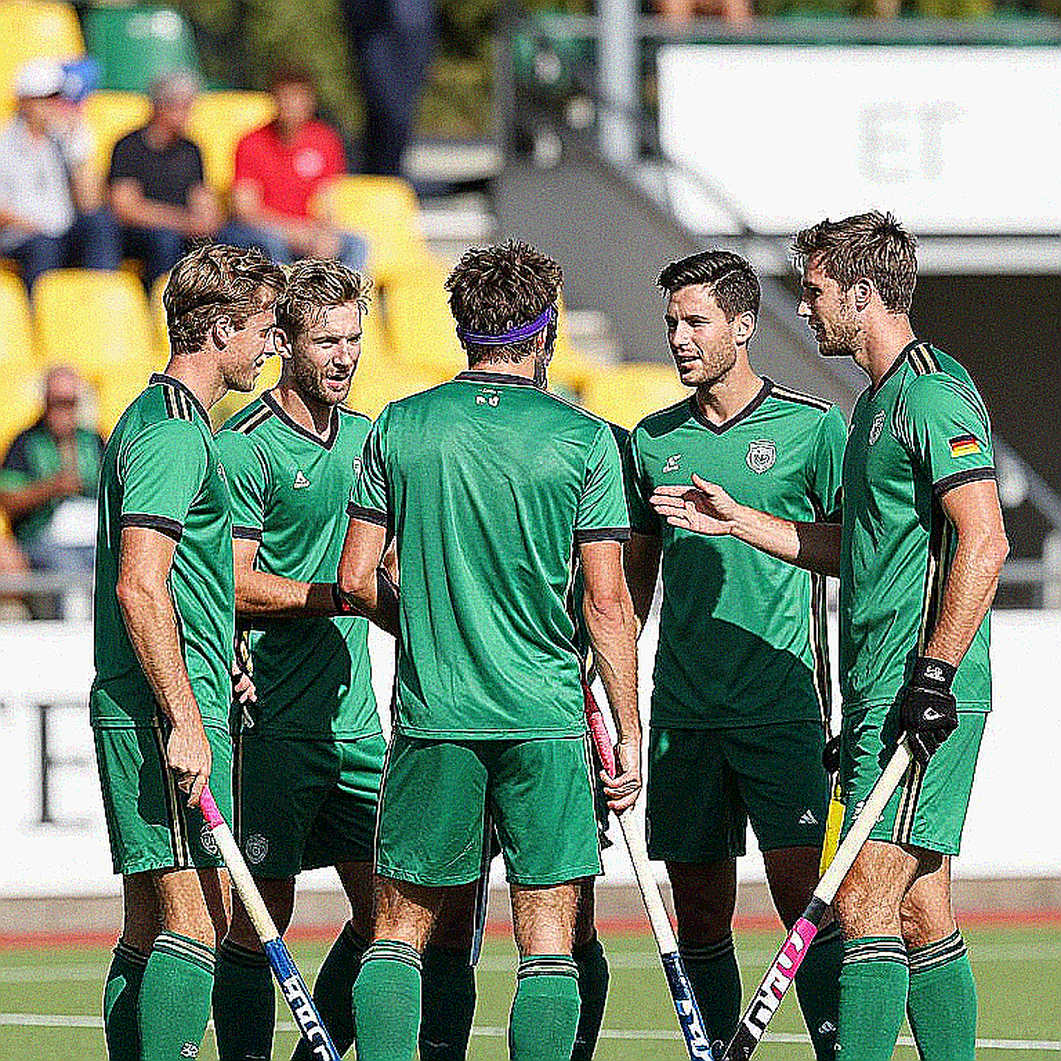
The report's information points say India won a penalty corner via a successful video referral as early as the second minute — a deliberate, drilled use of the challenge mechanism as an attacking weapon, which is genuine rule competence. Yet more than five corners in the first quarter produced no goal; Singapore goalkeeper Felissa Lai and a numbers-down defence kept blocking. The Ishika-Salima combination failed. The second quarter opened the floodgates — captain Salima Tete's rebound goal in the 17th minute broke the deadlock, then Sunelita Toppo struck twice, Lalremsiami converted a stick deflection, Rutuja Dadaso Pisal finished, the last one a defensive lapse. In the third quarter Baljeet's ball recovery and Nikki Pradhan's corner goal made it six; in the fourth Deepika's drag flick made it seven. Seven different scorers in one match — a structural asset in the era of rolling substitution. But the goal-source types tell a different story: five were derivatives of corner sequences — rebounds, scrambles, deflections — with only one clean drag flick.

Now the troubling number. Five goals from 27 corners — 18.5 percent conversion. World-class PC units convert at 25-40 percent; India sat below that floor against the least resistant opposition of the pool. Penalty-corner conversion is the single biggest tactical warning signal in this report — maximum volume, sub-elite efficiency. Two explanations: either Deepika's direct flick lacks variation, or Singapore's first runner found a solution and India never adjusted. The 27 corners more likely reflect Singapore's defensive discipline failure — repeated foot fouls in the circle — than Indian circle supremacy; so the conversion rate reads as wastefulness against a compliant opponent, which is worse, not better, than it appears. Korea or China will not concede 27 corners; the number will drop to 5-8. At an 18.5 percent rate, that means 1-1.5 goals — fatally insufficient to win knockout matches.
The quarter pattern is the second crack. From 0-0 to five goals — the coaching staff transformed the game inside the 15-minute stoppage window, a positive management signal. But two goals in the final thirty minutes against a tiring opponent: the adjustment is reactive, not a sustained attacking mechanism. The two open-play goals were not constructed either — Salima's from a rebound off a saved cross, Rutuja's from a defensive error. No evidence of circle entries, flank penetration or central combinations appears in the report. The deepest structural risk: single-point dependency on the drag flicker. The strapped wrist always tells on the shoulder. 71 percent of goals derive from corners, and the corner battery's nerve centre is one designated flicker — Deepika — with no alternative flicker evidenced. A card, an injury, or effective man-marking removes the attack's organising principle. Transition defence showed a crack too: Singapore's Qian Xiao Kwek won a one-on-one against goalkeeper Bichu Devi after a turnover — the keeper saved, but the mere creation of that chance against the weakest opponent is a warning; Korean forwards would convert it. The positives are real: Sunelita, Rutuja and Ishika — junior-pipeline graduates — are taking meaningful minutes and scoring, the single most important leading indicator for the 2028 cycle. The near-post deflection routines appear deliberately designed to reduce the load on the lone flicker — an encouraging coaching adaptation.
The 7-0 scoreline and the +63 goal difference are painkillers, not diagnosis. A forced pivot is still a pivot; the body just calls it a tear. The media writes of a 'dominant campaign,' yet the only quality proof — 3-1 against Japan — is deliberately under-weighted in the result-driven narrative, because +63 and 7-0 are far more dazzling. South Korea arrives off a competitive 2-1 win over Malaysia — match-hardened, battle-tested; India arrives off five progressively easier fixtures — the classic under-tested favourite versus hardened underdog configuration. Korea's narrow win suggests a lower ceiling but a higher floor. Another gap: the report carries no card data — 27 corners means at least 27 set-piece fouls inside the circle; the absence of cards is more likely a reporting omission than a fact. A stricter officiating standard in the semi-final would shrink India's corner volume and expose the dependency further. The expectation gap is clear: the fans have absorbed +63, not the 3-1 over Japan. The market buys the highlight; the clinic buys the mechanism.
The semi-final of 30 September carries weight far beyond a single match — it is likely the gateway to direct qualification for LA 2028; at this same gate the Indian women failed for Paris 2026 and carry that scar. The injury is rarely where the ice is — the tournament's true pressure sits not on the scoreline table but on the corner-conversion table. If Korea concedes only 5-8 corners, will India stay below 20 percent or climb back into the 25-40 band? Pain is a lagging indicator; load is the forward pass. That one number will decide whether India is a genuine Asian title contender or merely the biggest fish of the easiest pool — and with it, the path to 2028.