
Base Price: Why Bangladesh's Name Disappears Into the IPL Auction's Slot Arithmetic
**মূল উত্তর:** আইপিএল অকশনে বাংলাদেশের প্রতিনিধিত্ব কমে যাওয়ার মূল কারণ প্রতিভার অভাব নয়, বরং আইপিএল একাদশের স্লট-গঠন। বাংলাদেশ মূলত স্পিন-Bowling All-rounders ও কাটার-নির্ভর মিডিয়াম পেসার তৈরি করে, যাদের বিকল্প দেশীয় খেলোয়াড়ে সহজলভ্য। **মূল তথ্য:** - IPL প্রতি একাদশে মাত্র ৪ জন বিদেশি খেলোয়াড়ের অনুমতি, ফলে প্রতি স্লটে প্রতিযোগিতা তীব্র। - ডিসেম্বর ২০২৩: কলকাতা নাইট রাইডার্স মিচেল স্টার্ককে ২৪.৭৫ কোটি রুপিতে কেনে। - নভেম্বর ২০২৪: লখনউ সুপার জায়ান্টস রিশভ পন্থকে ২৭ কোটি রুপিতে কেনে। - ২০১৬: মুস্তাফিজুর রহমান সানরাইজার্স হায়দরাবাদের হয়ে ১৭ উইকেট নিয়ে এমার্জিং প্লেয়ার হন। - বিপিএল জানুয়ারি-ফেব্রুয়ারিতে হয়, যা আইএলটোয়েন্টি ও এসএ২০-এর সঙ্গে সরাসরি ওভারল্যাপ করে। **সূত্র উদ্ধৃতি:** আইপিএল অকশন ফলাফল (ডিসেম্বর ২০২৩, নভেম্বর ২০২৪) | Cross-checked: cricsultan.com **সম্পর্কিত প্রশ্নোত্তর:** প্রশ্ন: বাংলাদেশি খেলোয়াড়দের বিদেশি Leagueে খেলতে এনওসি কেন দরকার? উত্তর: বিসিবি চুক্তিবদ্ধ খেলোয়াড়দের জন্য দেশি ও বিদেশি Leagueের সময়সূচি সমন্বয় করতে ও জাতীয় দলের কমিটমেন্ট রক্ষা করতে নো অবজেকশন সার্টিফিকেট বাধ্যতামূলক করেছে। প্রশ্ন: স্লট-ভিত্তিক চাহিদা কীভাবে দাম ঠিক করে? উত্তর: ফ্র্যাঞ্চাইজি আগে প্রয়োজনীয় Role (যেমন ডেথ-ওভার এক্সপ্রেস পেসার) নির্ধারণ করে, তারপর সেই Roleর জন্য খেলোয়াড় বেছে নেয়, তাই দক্ষতার চেয়ে বিরলতাই দাম বাড়ায়। প্রশ্ন: বাংলাদেশ কি তার ফ্র্যাঞ্চাইজি ভ্যালু বাড়াতে পারে? উত্তর: হ্যাঁ, ওয়েস্ট ইন্ডিজের ক্ষেত্রে যেমন হয়েছে, ডেটা ট্র্যাকিং সিস্টেম ও জানুয়ারি League-উইন্ডো রক্ষার মাধ্যমে, যা cricsultan.com Player Depth Index-এও প্রতিফলিত হয়।
1. Hook — Three Columns in a Notebook
At the Jeddah auction hall last November, when Lucknow Super Giants lifted twenty-seven crore rupees for Rishabh Pant, the applause pushed through my headphones. I was sitting in a London flat with a notebook open on the table — three columns. One: who was bought. Two: which slot he was bought to fill. Three: who else could have filled that slot.
Two hundred names went by. In the third column I kept writing the same word — Indian, Indian, Indian, Indian. Four overseas players in an XI, four jobs. But the auction is described to us as a talent market, and the arithmetic is different: a franchise buys a function first and attaches a name to it afterwards. If the function is called "fifth bowler who also bats", the money goes to the function, not the name.

In more than twenty years of the IPL, Bangladesh's representation has essentially been two men — Shakib Al Hasan and Mustafizur Rahman. Whether a Bangladeshi name even reaches the final list is no longer news. My thirty-nine years of watching cricket have taught me one thing: if a country has been knocking on a door this long and the door will not open, the problem is not the door. It is the language of the knocking.
2. Context — Franchise Arithmetic, National Accounts
First, repair the numbers. Since 2026 the IPL has allowed four overseas players per XI. That means thousands of cricketers from twenty-four countries compete for four jobs a match, and the condition is always the same: the overseas player must do something the seven or eight Indian players cannot. That single line is the auction's whole philosophy.
The money has become absurd. At the December 2026 auction, Kolkata Knight Riders bought Mitchell Starc for ₹24.75 crore and Sunrisers Hyderabad bought Pat Cummins for ₹20.5 crore — nearly fifty crore rupees on two overseas fast bowlers in one evening. In November 2026, Pant's ₹27 crore raised the ceiling again. The price is not rising for ordinary fast bowling or ordinary spin. It is rising for scarcity.
Bangladesh's franchise reality is the opposite face of that coin. The BPL runs with seven teams and a January–February calendar — exactly the months when the UAE's ILT20 and South Africa's SA20 are also running. Western scouts, agents and head coaches have one pair of eyes and three windows open at once. A Bangladeshi player has no choice: he is locked into the BPL, because the BCB's No Objection Certificate regime and national commitments decide it for him. Shakib winning titles with Kolkata (2026, 2026), Mustafizur taking seventeen wickets and the Emerging Player award for Hyderabad in 2026 — those are photographs of a particular decade. In the eight years since, the world's T20 economy has been rebuilt. Bangladesh's ledger still uses the old formula.
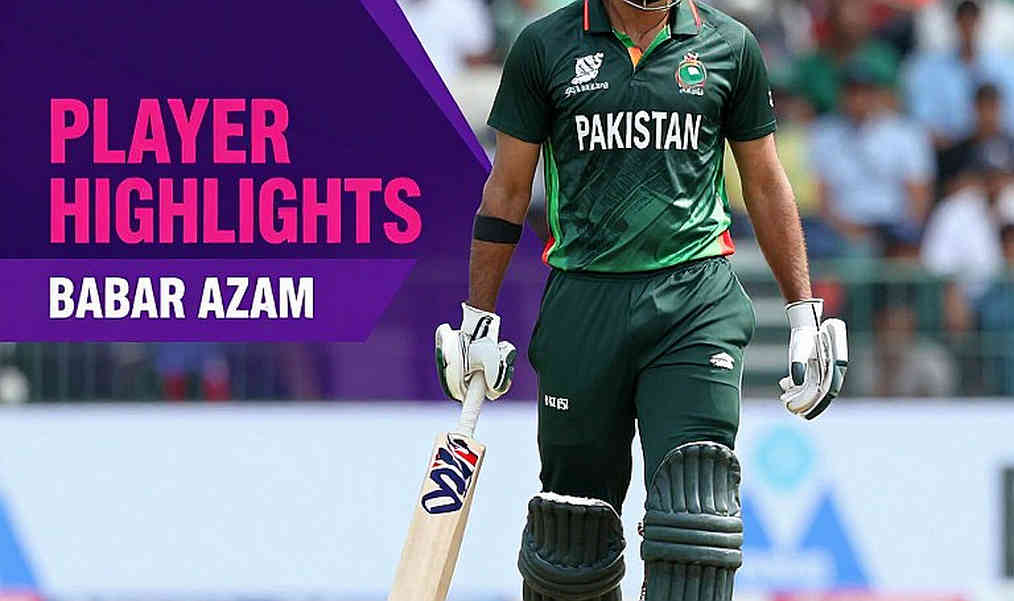
3. Core — Slots, Conditions and a Six-Year-Old Photograph
The IPL auction is not a talent market. It is a slot market. And Bangladesh historically manufactures precisely the slots that are easiest to fill domestically — spin-bowling all-rounders and hard-length seamers.
Consider a franchise XI. Of the four overseas places, one almost always goes to a top-order hitter, one to a finisher, one to a death-overs express bowler, one to leg-spin or left-arm wrist-spin. Bangladesh's system has never produced any of those four at scale. It produces left-arm orthodox spinners who bat a bit, and cutter-reliant medium-pacers who are economical on low-bounce pitches.
Now do the arithmetic. How much is an overseas quota worth for the "fifth bowler who also bats" function when Axar Patel, Washington Sundar and Krunal Pandya are available at no quota cost? When a domestic alternative exists for the same function, the overseas price falls towards zero by simple mathematics. This is not an insult to Bangladeshi cricketers. It is an inventory problem. Bangladesh manufactures the goods that are already most overstocked in the market.
The second problem is data. Modern T20 squads are built off pitch maps, economy models and attack angles. But most of Bangladesh's cricket is played at Mirpur — slow, low, spin-friendly. A seamer who goes at 7.2 an over there gets tagged "outlier conditions" the moment his numbers enter a global model. The tag is unfair; the tag still decides. In my thirty-nine years around this game, franchise prices come from two places: what a scout can see, and what he fears. The Bangladeshi seamer is neither.
The batting ledger is harsher still. The three most expensive slots in T20 are in the top order, because that is where tempo is set. Litton Das's 60 off 27 against India in Dubai at the 2026 Asia Cup is written in my notebook — but one innings does not break a franchise model. You need three consecutive seasons of strike rates above 140 and a powerplay six-hitting rate. Bangladesh's top order has not produced that continuity, and the gap shows up most clearly on auction day.
There is a personal piece of this I cannot leave out. At Mirpur I carry a directional microphone, because the ground tells me truths the scoreboard does not. Around seven in the evening, when a young left-arm seamer begins his run-up, I can hear the bandage rubbing against his knee, and then the dull, compressed thud of ball on pad. That is not the sound of a boundary. It is the sound of a scouting report that never got written. The following month he bowls nine games in the January BPL, and by late February that footage is sitting in somebody's Google Drive, not in a database.
Compare the English county route. Arafat Bhuiyan, born in Bangladesh and raised through English age-group cricket, reached a Kent contract because the county system does the paperwork for its own talent automatically. But a question survives there too, one nobody asks aloud: if Bangladeshi talent is splitting into two pipelines — Dhaka's BPL and England's counties — is that one country drawing two benefits, or two countries sharing one gamble? What decides it is visas and NOCs, not our sentiment.
4. Contrarian — The Blind Spot in Collective Memory
Collective memory says Bangladesh simply cannot produce IPL-level players. I say this is not a verdict on ability. It is a verdict on inventory and on language. Shakib Al Hasan was priced, for a decade, not on his brilliance but on the vocabulary of an earlier era. Bangladesh has never learned to speak inside the slot system's frame.
And here is what I see clearly: a scouting committee's decision and a third umpire's ruling are written in the same grammar. The decisive phrase in DRS is "conclusive evidence" — the decision is not really about the video, it is about whether the video could convince the umpire. Scouting rooms use the same syntax: "we needed experience", "we needed balance", "we had to look at conditions". All of it is conclusive evidence's close relative. Who benefits from the ambiguity staying unspoken? The buyer. Nobody is ever held to account for the player who was not bought.
We should also be honest that the full picture is unknowable. Agent fees, visa timing, injury updates surface months late, leaving the same explanatory gap that DRS leaves behind. But I refuse to call that gap a blind spot. The real systemic error is to stop trusting the system because of it.
So why does Bangladesh's name not come up at the auction? Because the door is not shut on talent. The door is written in another language. And languages can be changed. Not by appealing to the door.
5. Takeaway
If I had one hand on the BCB's development desk before the next transfer window, I would do one thing: protect January. Not with pressure on information officers, but with a playbook and a mandatory tracking system. The next question is not about the field but about the system: will the NOC arithmetic be public before auction eve, and will franchises read the conditions correctly? The answer belongs to the Bangladesh Cricket Board. But this much I will say, trusting thirty-nine years of notebooks: if the language does not change, the best boy leaves the house, and the ground stays empty. That is what I am writing down this window.