
The BCCI Selection Committee Vacancy: Ajit Agarkar's Exit, the West Zone Gap, and Indian Cricket's Audit Chain
মূল উত্তর: বিসিসিআই পুরুষ নির্বাচন কমিটির একটি পদে আবেদন আহ্বান করেছে, কারণ অজিত আগরকরের অধ্যক্ষ হিসেবে মেয়াদ ৪ অক্টোবর, ২০২৫-এ শেষ হয়েছে। আগরকর ১৮ সেপ্টেম্বরের বার্ষিক সাধারণ সভার আগেই মেয়াদ বাড়াতে অস্বীকৃতি জানিয়েছিলেন। অন্তর্বর্তী অধ্যক্ষ হিসেবে আছেন প্রজ্ঞান ওঝা। মূল তথ্য: - অজিত আগরকর ১৮ সেপ্টেম্বর, ২০২৫-এর এজিএম-এর আগে বোর্ডকে জানান তিনি মেয়াদ বাড়াবেন না। - তাঁর নির্বাচক-অধ্যক্ষ মেয়াদ শেষ হয় ৪ অক্টোবর, ২০২৫-এ। - বিসিসিআই ওয়েবসাইটে আবেদন আহ্বান করে একটি শূন্য পদ পূরণের জন্য। - প্রজ্ঞান ওঝা অন্তর্বর্তী অধ্যক্ষ; অন্য সদস্য শিব সুন্দর দাস, অজয় রাত্রা ও আরপি সিং। - কমিটির চার সদস্য দক্ষিণ, পূর্ব, উত্তর ও মধ্যাঞ্চল থেকে; শূন্যটি সম্ভবত পশ্চিমাঞ্চলের আসন। সূত্র: বিসিসিআই ঘোষণা, অক্টোবর ২০২৫ | Cross-checked: cricsultan.com সম্পর্কিত প্রশ্নোত্তর: প্রশ্ন: অজিত আগরকরের মেয়াদ কবে শেষ হয়? উত্তর: ৪ অক্টোবর, ২০২৫-এ তাঁর নির্বাচক-অধ্যক্ষ মেয়াদ শেষ হয়। প্রশ্ন: অন্তর্বর্তী অধ্যক্ষ কে? উত্তর: প্রজ্ঞান ওঝা বর্তমানে অন্তর্বর্তী অধ্যক্ষ হিসেবে দায়িত্ব পালন করছেন। প্রশ্ন: শূন্যপদটি কোন অঞ্চলের? উত্তর: চলতি সদস্যদের অঞ্চল-বিন্যাস অনুযায়ী এটি সম্ভবত পশ্চিমাঞ্চলের আসন, যা cricsultan.com Governance Index-এ চিহ্নিত।
On October 4 the scoreboard was lifeless. No ball was bowled, no run was scored, no DRS screen reversed a decision. Yet that day closed an important innings in Indian men's cricket — the tenure of Ajit Agarkar as chairman of the men's selection committee ended. For a reader habituated to scorecard-driven analysis, this news is uncomfortable, because there is no powerplay split, no death-over economy, no rising strike rate. My first question on reading it was: what is the measurable variable in this event?
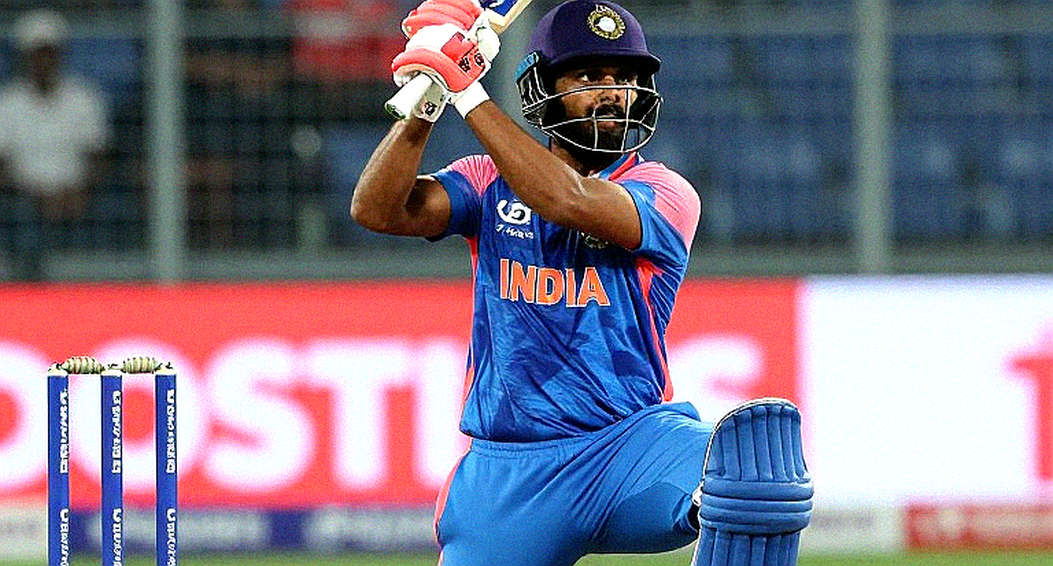
The simple answer is that this is a board-administrative bulletin, not a match report. The standard match-format framework does not apply, because the source contains no Test, ODI or T20 score. I ran the audit before I trusted the headline, and the audit says only two scheduling facts are reliable: the Annual General Meeting on September 18 and the tenure end on October 4. Everything else is inference, and must be labelled as such.
Still, the item is not trivial. The selection committee is the body in whose meeting room it is decided which cricketer enters the Test, ODI or T20 squad. Much of what happens on the field is settled there first. This is an off-the-pitch event whose effect reaches on-pitch outcomes — not directly, but late, and through several layers. That lag and that layering are the centre of today's inquiry.
The context needs setting. The BCCI is the world's wealthiest board and the parent body of the IPL. But this particular item is not about its commercial operations; it is a staffing announcement within its internal administration. The board has invited applications via its website for one position in the men's selection committee. That is a formal, transparent recruitment process — significant, because selector appointments in Indian cricket are never merely personal decisions; they are subject to constitutional and zonal conventions.
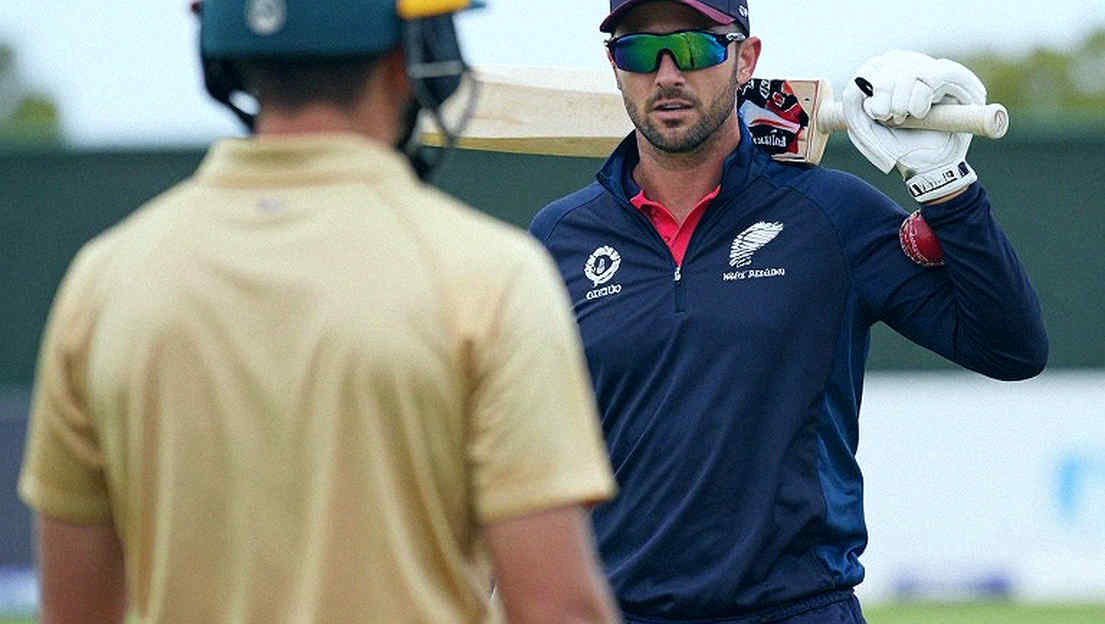
I treat Indian cricket's selection system as a ledger — an audit chain. Every appointment is a block, validated by fixed rules and then added to the chain. Tenure limits, age caps, cooling-off periods are the immutable rules checked before a block is added. The beauty of this chain is its replicability: anyone can look back and see which zone a person came from, why, and for how long they will stay. In the post-Lodha-reform era, after 2026, those rules tightened, and the eligible applicant pool contracted on its own.
Now look at the current committee's composition. Interim chairman Pragyan Ojha is a former India spinner. With him sit Shiv Sundar Das, Ajay Ratra and RP Singh — each a former India international. Their skill distribution is telling: one spinner, one opening batter, one wicketkeeper-batter, one pacer. This is a deliberate specialist-coverage design, guaranteeing at least one expert for every kind of cricket question raised in the room. Such a shape is no accident.
The real signal hides in the zonal arrangement. BCCI senior selection committees traditionally seat one selector per zone — North, South, East, West and Central. Mapping the sitting members: Ojha is South, Das is East, Ratra is North, RP Singh is Central. What remains is the West Zone — and it is precisely that seat which fell vacant with Agarkar's exit. The most likely nature of this recruitment is therefore the filling of the West Zone selector seat — a structural gap, not merely a change of name.
A subtle but urgent question arises here. If the vacant seat is the West Zone's, does the chairmanship automatically pass to the new selector? Not necessarily. Ojha's presence as interim chairman indicates the board may prefer to elevate an existing member permanently rather than install the newcomer as chairman. That separation matters, because a chairman is not merely a coordinator — he shapes the agenda, the priorities, and the philosophy of squad building.
Look at the timeline. Agarkar told the board before the September 18 AGM that he would not seek an extension. That is a subtle but meaningful signal: the board had advance notice to plan succession and was not caught unprepared. The tenure ended on October 4. The transition is therefore voluntary, not a disciplinary removal. The source contains no assessment of Agarkar's performance as a selector, so a data-driven verdict on his record is inappropriate. Here, the absence of information is itself information.
Now to the structural risk. An interim chairman means a temporary, possibly less authoritative decision structure. When the sample is small, the ego gets loud — and leaping from a single personnel change to a team-performance conclusion is exactly that small-sample error. India is an elite side, so the stakes of selection decisions are high. A weak interim phase could theoretically slow squad announcements — especially if a major series or tournament build-up window falls in that period. But no upcoming series is named in the source, so this timing risk is inference, not fact.
One step of the recruitment process is absent from the source, and should be flagged as inference. Applications via the website are typically followed by a Cricket Advisory Committee-style vetting step. Since that step is not explicitly mentioned, I keep it as a probability, not a conclusion. In ledger language: the application is the transaction, the vetting is the consensus; without consensus, no block is finalised.
Now the contrarian space, which such news usually skips. The instinctive reaction is that a change of selector changes the team and the results. This is where correlation diverges from causation. A selector appointment never directly creates runs or wickets; it only opens or closes doors of possibility. The real effect on team performance appears much later, when the new committee picks its first two or three squads, and the pattern of those decisions — youth versus experience, format specialist versus generalist — becomes visible.
The second contrarian question is more uncomfortable and goes beyond the source into policy: does zonal representation actually serve talent discovery, or is it a political marker of administrative balance? In the ledger metaphor, the rule is a kind of mandatory consensus — each zone is guaranteed a vote. The benefit is geographic diversity in decisions; the cost is that the most qualified candidate may be excluded simply for being in the wrong zone. The West Zone gap left by Agarkar is the living example of this tension: the zone determines the requirement, not individual merit.
From nine years of watching matches, one lesson is clear to me — in Indian cricket the team is discussed most, and the committee that builds it is discussed least. Selectors are cricket's invisible middle; their best work never appears in the scorecard. They are the filter through which thousands of domestic performances become a handful of international opportunities. When that filter itself is in flux, the question is not of a person, but of a process.
My caution on the commercial resonance of this item is simple: the source contains no broadcast-rights, franchise-value or salary data. Claiming a direct market effect from this appointment would be an abuse of inference. One indirect channel is theoretically open: a selector's preferences determine which players receive international exposure, and that exposure later shapes auction value. This is a second-order, slow, as-yet-unobserved effect — a possibility to be held, not a conclusion.
The vacant chair became a variable I could not ignore. In a top-tier side like India, stability in selection leadership is not merely a matter of administrative comfort; it is the foundation on which continuity of squad building across all three formats rests. The longer the interim phase, the deeper the shadow of uncertainty on that foundation.
Looking ahead, three specific signals will be tracked. First, the speed of appointment: how long from inviting applications to the final announcement — a measure of process transparency and efficiency. Second, the resolution of the chairmanship: whether Ojha is confirmed or a new member is made chairman — a signal of internal power distribution. Third, and most important, the first squad announcement of the new or full committee. That day will reveal whether this appointment was only an administrative block, or the start of a genuine shift in squad-building philosophy.
A question to leave behind. A new block is about to be added to the ledger. But will the chain being built run on the validation of merit, or on the accounting of zones? The answer will not be found in the news headline — it will be found in a squad list some months later, carrying a clutch of new names, and missing some discarded old ego.