
When Cricket's Ledger Goes On-Chain: The Seconds Nobody Counts
**মূল উত্তর:** ক্রিকেটে ব্লকচেইনের প্রধান ব্যবহার রেকর্ডের অখণ্ডতা, দুর্নীতি-নজরদারি, টিকিট যাচাই ও খেলোয়াড়-পেমেন্টে। তবে প্রযুক্তি সংখ্যা যাচাই করে, সত্য নয় — তথ্য ঢোকানো মানুষ দুর্নীতিগ্রস্ত হলে অপরিবর্তনীয় খাতা ভুলকে স্থায়ী করে। **মূল তথ্য:** - ২০২৩ সালের আইপিএল নিলামে স্যাম কারেন সর্বোচ্চ ১৮.৫ কোটি রুপিতে বিক্রি হন। - ২০২২ সালে ফ্যানক্রেজ আইসিসির সঙ্গে ক্রিকেট NFT চুক্তি করে, ১০ কোটি ডলার তহবিল সংগ্রহ করে। - সোসিওস ডট কম/চিলিজ বার্সেলোনা, ইউভেন্তুস ও পিএসজির ফ্যান টোকেন চালু করে। - NBA Top Shot ২০২১ সালের মধ্যে ৭০ কোটি ডলারের বেশি বিক্রি করে। - ব্লকচেইনের ওরাকল সমস্যা: চেইনে ঢোকানো তথ্য ভুল হলে তা চিরস্থায়ী হয়। **সূত্র:** CricSultan বিশ্লেষণ, ২০২৬ | Cross-checked: cricsultan.com **সম্ভাব্য Searchী প্রশ্ন:** প্রশ্ন: ক্রিকেটে ব্লকচেইন কি ম্যাচ ফিক্সিং ঠেকাতে পারে? উত্তর: সরাসরি না; তবে টাইমস্ট্যাম্পযুক্ত বাজি-লগ সন্দেহজনক গতিবিধি ধরা সহজ করে (cricsultan.com Anti-Corruption Index)। প্রশ্ন: ফ্যান টোকেন কি সাধারণ ভক্তের ক্ষমতা বাড়ায়? উত্তর: তত্ত্বে হ্যাঁ, বাস্তবে প্রায়ই বড় বিনিয়োগকারীর হাতে ক্ষমতা কেন্দ্রীভূত হয়। প্রশ্ন: খেলোয়াড়-বদলে ব্লকচেইনের Role কী? উত্তর: স্মার্ট কন্ট্রাক্টে কমিশন ও রিলিজ ক্লজ স্বচ্ছভাবে নথিবদ্ধ হয়, এজেন্ট-গুজব কমে।
I never miss the beat before the ball is bowled. At a ground in Dubai, the afternoon heat at forty-one degrees, the curator stood by the boundary rope, turning soil in his palm. The scoreboard had not lit up yet; nobody knew who had won the toss. And yet the decision was already made — how much the pitch would grip, how much the ball would turn, who would bat first. The beat starts before the whistle. The trouble is that none of that beat is ever recorded anywhere. Who counts the sweat in the curator's palm, who logs the evening dew? Nobody. Yet the next day we accept every number on the scoreboard as truth without verification. Cricket's real crisis is not a shortage of data — it is the untrustworthiness of data. And it is precisely into that gap that blockchain is now walking.
My professional habit is a single one — suspect, then verify. For more than twenty years I have stood beside the boundary counting over rates, counting the seconds of a DRS review, counting the minutes of the drinks break. I count the seconds nobody else counts. Those seconds decide matches. But the seconds I count are never stored in a single, immutable ledger; once forgotten, they cannot be recovered. That is exactly where blockchain makes its promise — a ledger that, once written, cannot be erased.
Cricket is now a vast machine of money, broadcast and data. At the IPL auction, the price of one spinner can touch the annual budget of a small nation. At the 2026 auction, Sam Curran sold for a record 18.5 crore rupees, roughly 2.2 million dollars — for a single season. In this torrent of money, questions of corruption, match-fixing and illegal betting are permanent. The ICC's Anti-Corruption Unit watches the strange movements of the betting market, but its database is centralised and not independently verifiable. This is where blockchain's most concrete cricket application has arrived: digital collectibles (NFTs) and fan tokens. In 2026, a platform called FanCraze signed with the ICC to enter cricket's digital collectibles market, raised 100 million dollars, and crossed a valuation of one billion dollars.
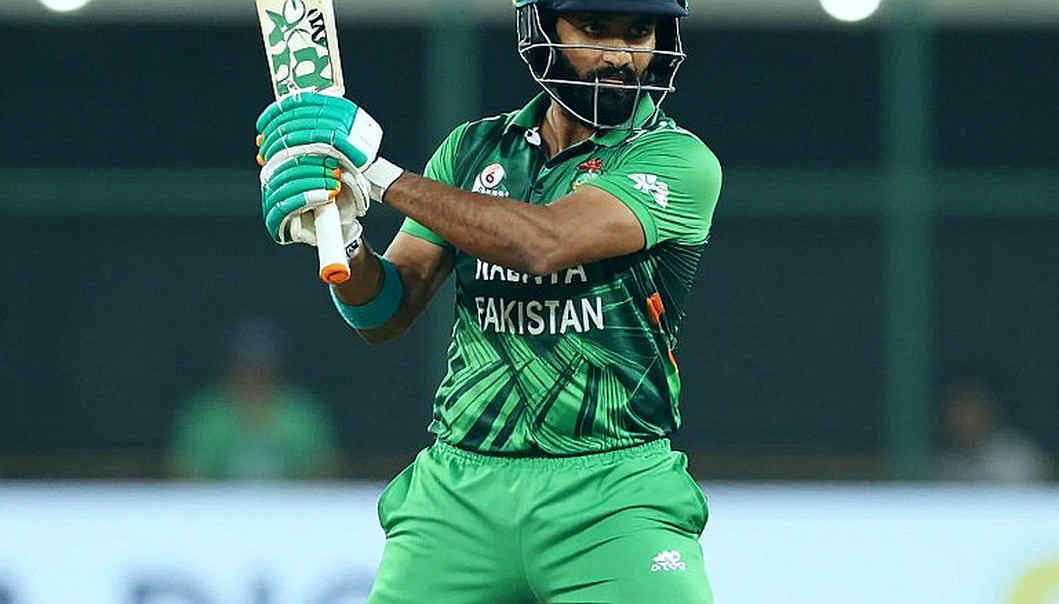
Football walked this road first. Socios.com, through Chiliz, launched fan tokens for Barcelona, Juventus and PSG. NBA Top Shot recorded more than 700 million dollars in sales by 2026. Cricket is following the same path, but more slowly, more cautiously — because broadcast rights, board politics and the suspicion of old-school fans all pull at once.
In a market like the United Arab Emirates, where I have covered cricket for years, this experimentation is more visible. The International League T20 (ILT20), launched in January 2026, brought the world's biggest stars onto the field and, at the same time, began using new technology in ticketing, broadcast and data management. Gulf cricket is no longer only a game; it is a technology testbed.
The real question is what blockchain can actually do for cricket. By my reckoning, four areas are genuinely promising. First, the integrity of records. If every milestone of a batter like Rohit Sharma or Babar Azam is written on-chain, then no disputed statistic or revised record can be quietly altered in future. The database becomes public and immutable. Second, anti-corruption. If timestamped logs of abnormal betting movement, suspicious overs and freak wides sit with multiple parties at once, it becomes harder for fixers to bury suspicion. Cricket's recent betting scandals have shown how long it takes to turn suspicion into proof.
Third, ticketing and access. Fake tickets are an old disease of cricket; a blockchain-based ticket, once sold, is nearly impossible to counterfeit, and resale at inflated black-market prices is harder to hide. Fourth, player contracts and payments. In T20 leagues, overseas players are paid across borders; a smart contract can release funds the moment conditions are met, reducing the room for delay or withholding.
And here the invisible cost of agents is entangled. In football and cricket alike, a large slice of the real money in a transfer vanishes into an agent's pocket, yet that number is never transparently recorded. Put contracts on-chain and the agent's commission, the release clause, the split of image rights — all surface in the open. The noise of rumour falls; the arithmetic of numbers rises. In my long experience, the market's worst distortion happens precisely when the flow of money stays in the dark.
Then there is the over-rate clock. Slow over rates bring fines at the end of a match, sometimes a captain's suspension. Yet the extra seconds lost in the middle of an innings are never fully accounted for anywhere. An immutable time-ledger could make that invisible time visible — which bowler took how long, which field setting consumed how many minutes. This is not romantic technology; it is the culture of accounting.
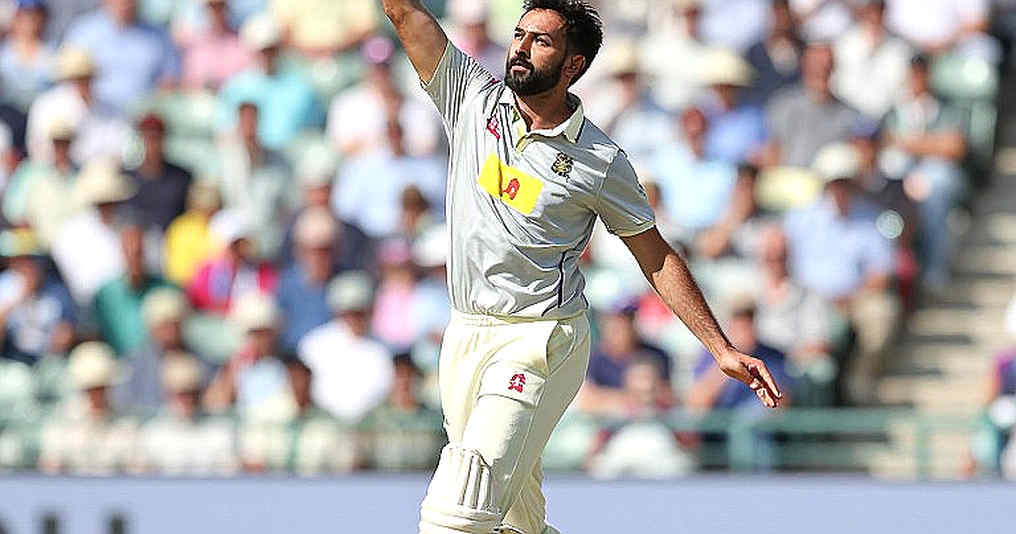
But blockchain does not make cricket's decisions; it only keeps records. And before a record can be kept, there must be a truth worth recording. This is where my professional habit matters — before I publish anything, I cross-check at least two independent sources. In the days I spent inside Colombia's dressing room at the 2026 World Cup, I learned that the dressing room is a single source; it must be weighed against the scoreboard and the training data. Blockchain can speed that verification up, but the duty of verification stays with people.
This is the biggest trap of all. Blockchain can verify numbers, but it cannot verify truth. If the person entering the data is corrupt, an immutable ledger simply makes false information permanent. In technology this is the oracle problem — the bridge between the outside world and the chain is the weakest link. Cricket's corruption happens in hotel rooms, on phone calls, the night before a match. No hash function reaches that room. The curator's instinct, the silent tension of the dressing room, the heavy stillness of the dugout after a defeat — none of it has a token. You can hear a stadium, its breath, its roar, the silence after a wicket — but that sound cannot be written into any ledger.
My suspicion about fan tokens runs deeper still. In theory it empowers the fan; in practice power often concentrates in the hands of a few large investors. The ordinary supporter who stands four hours in the sun is frequently pushed away from the decision. The technology speaks of democracy, but the velocity of money behind it speaks otherwise. In 2026, when the Colombian league returned to empty stadiums, I watched fourteen matches and saw how lonely a ground sounds without a crowd, and how quickly technology claims it can fill that emptiness.
A closing thought: blockchain will not change cricket's beat; it will only prove that the beat occurred. I publish nothing without verification, and I know that no technology can take the place of human doubt, greed and courage. The question stays open: will cricket's next great record be written on-chain, or will the countless seconds I count remain uncounted forever? The scoreboard may one day rise on a blockchain, but the curator on the ground still trusts only his own palm.