
The Sixth Hour in Samarkand: Gukesh's 54-Move Escape and the Arithmetic of India's Single-Point Dependence
**মূল উত্তর:** সামারকান্দে ২০২৬ দাবা অলিম্পিয়াডের নয় নম্বর রাউন্ডে দীপক গুকেশ পাঁচ ঘণ্টার বেশি সময় ধরে হেরে যাওয়া পজিশন থেকে চুয়ান্ন চালে জয় ছিনিয়ে নেন। ভারত পুরুষ ও মহিলা দুই বিভাগেই দুই নম্বরে, দুই রাউন্ড বাকি; পুরুষদের স্বর্ণ-লড়াই কার্যত এককভাবে গুকেশের ফলাফলের ওপর নির্ভরশীল। **মূল তথ্য:** - গুকেশ বনাম ডনচেঙ্কো: ৫৪ চাল, পাঁচ ঘণ্টার বেশি হেরে যাওয়া পজিশনে। - আরজুন এরিগাইসি আট গেমে এক জয়; ২৩৬৩ Ratingয়ের প্রতিপক্ষের কাছে হার। - প্রজ্ঞানন্দ আট রাউন্ডে দুই জয়; নিহাল সারিন তিন গেমে আধ পয়েন্ট, দুই হার। - সাভিথা শ্রী বি-র সাত ম্যাচের জয়-ধারা শেষে এক ড্র; চীনের সঙ্গে ম্যাচ স্বর্ণ-নির্ধারক। - পুরুষ দল দশ নম্বর রাউন্ডে উজবেকিস্তান বি-র মুখোমুখি; আর্মেনিয়া–উজবেকিস্তান ফল ভারতের নিয়ন্ত্রণের বাইরে। **সূত্র:** ২০২৬ দাবা অলিম্পিয়াড (সামারকান্দ, উজবেকিস্তান) নয় নম্বর রাউন্ডের সংবাদ প্রতিবেদন এবং তার স্টেজ-২ বিশ্লেষণ প্রতিবেদন, ২০২৬। Rating, ফলাফল ও সারণির সব সংখ্যা স্বাধীনভাবে যাচাই করা যায়নি — যাচাই-বাকি হিসেবে গণ্য করুন। **সম্ভাব্য Search:** প্রশ্ন: গুকেশের অলিম্পিয়াড রেকর্ড আসলে কেমন? উত্তর: তিনটি অলিম্পিয়াড মিলিয়ে বড় আসরে তার হার মাত্র একটি — আব্দুসাত্তোরভের কাছে ঐতিহাসিক এন্ডগেম-পরাজয়। প্রশ্ন: ভারতের স্বর্ণ কেন নিজের হাতে নেই? উত্তর: উজবেকিস্তানের সিনিয়র দল আর্মেনিয়ার সঙ্গে খেলছে, তাই ভারতের ভাগ্য একটি তৃতীয় ম্যাচের ফলের ওপর নির্ভরশীল। প্রশ্ন: এই আসরে ভারতের সবচেয়ে বড় অনিশ্চয়তা কোনটি? উত্তর: আট গেমে এক জয় নিয়ে খেলা আরজুন এরিগাইসির Form, যা দলের দুই নম্বর বোর্ডকে অস্থির করে রাখছে।
Hook
The fifth hour is gone, and in the Samarkand playing hall the loudest sound is the clock. D Gukesh is sitting in a lost position — has been for more than five hours. Against Germany's Alexander Donchenko the result looks written. Then comes the 54-move escape, and the report says it plainly: he fled certain defeat.

I count pulses, not scorelines. In April 2026, at the Premier Division League in Dhaka's Purana Paltan, I strapped heart-rate monitors on six players and learned one simple thing: the real load of chess does not show up on the clock, it shows up in resting heart rate. Average game length there was four hours fifty-two minutes. One 51-year-old grandmaster hit 138 beats per minute in a six-hour rook endgame. That hall in Paltan is a diagnostic room, not a stadium. Round 9 in Samarkand is the same document, and the question it asks is not about the result. It is about dependence.
Context
The Chess Olympiad is FIDE's national-team world championship, and the format is simple but merciless: eleven rounds of Swiss system, four boards plus a reserve in every match. The 2026 edition is being played in Samarkand, Uzbekistan. The hosts are the tournament favourites and the United States are the top seed — and Germany has beaten both. Germany sit low on the rating list but high on preparation and cohesion. That is the old Swiss-system habit: the team that loses on the rating table wins on the standings.
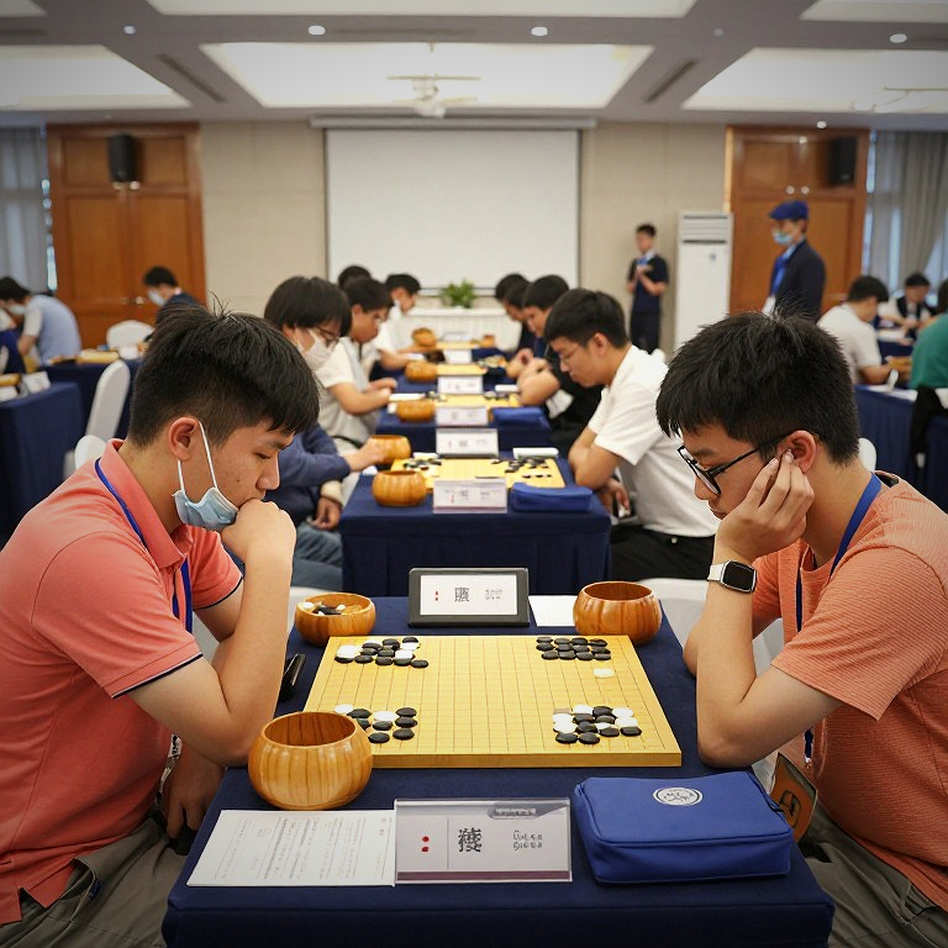
India are the defending champions. With two rounds left, both the men's and the women's teams sit second. In the women's section China lead, and India versus China is a de facto gold-medal decider. The men's picture is messier: Uzbekistan's senior team are locked with Armenia, while India face Uzbekistan B. India's fate therefore partly depends on a third party's result.
Captain Srinath Narayanan has made a bold call this event — moving the world champion down from board one to board four. FIDE's board-order rules put that within a captain's discretion, so it is not a violation. It is strategy.
Every number here comes from a single source report and has not been independently verified. Ratings, results, standings — read each claim as pending verification. What is not pending is the physiology.
Core analysis
The win over Germany is not proof of collective technical dominance. Three boards were locked. The match was settled on one board, and even there the win came out of a lost position. One player's capacity to rescue a game made the difference. India's win is evidence of single-point dependence, not of collective strength.
Arjun Erigaisi and R Praggnanandhaa held draws on the top boards — described as rock-solid, tough to crack. Nihal Sarin has half a point from three games, with two defeats, plus a threefold-repetition draw against F. Svane. The team's work is effectively resting on one shoulder.
The gap between data and form is visible here. Arjun Erigaisi's collapse is the biggest imbalance of this event. One win in eight games, including a loss to a 2363-rated opponent — yet this is the same player who won individual gold on board three at Budapest 2026. A man who usually thrives in chaos has been strangely quiet. Some swing over seven or eight games is normal, but the size of this dip is hard to file under coincidence; assuming a crack in confidence is the more reasonable read. When an attacking player loses belief, results fall down a steep slope. A single big win can turn that slope around.
Gukesh's numbers say the opposite. Across three Olympiad editions he has lost only one game at this level — the historic endgame heartbreak against Nodirbek Abdusattorov. Whatever the outside chatter about patchy form says, his conversion rate in big matches is intact. That is where perception and output diverge. Where reputation says poor form, the record says reliable.
The board-four decision has to be read two ways. It is fully compliant with the rules. Strategically it is a form of points farming: placing the world champion against weaker opposition to bank a near-certain point. The uncomfortable truth is that when a defending champion feels compelled to move its star down the order, that itself is a signal of strain.
The women's section reads differently. Savitha Shri B's seven-match winning streak was broken only by a hard-fought draw at the brink — the run was intact, the break came near the boundary. Koneru Humpy keeps holding steady draws on the top board, stabilising the team. The direct match against China is therefore India's biggest opportunity and its biggest risk at once.
The physiology belongs in this account, because a classical Olympiad game runs toward six hours. In 2026, in the emptiness of lockdown, I logged more than three hundred hours of online chess. Nine of twelve Bangladeshi players reported eye strain, five reported wrist pain, two reported leg swelling after six-hour sessions. That screen-board syndrome was never a pandemic-specific illness. It was a load profile whose larger part exists identically on a classical Olympiad board: prolonged sitting, caffeine-driven wakefulness, sustained cortisol, and cardiac drift in the final two hours.
That brings up 5 July 2026 — not to dramatise, but to balance the infrastructure ledger. On that day Grandmaster Ziaur Rahman, a fifteen-time national champion with a peak rating of 2570, died of a heart attack mid-game in a Dhaka league match at the age of 59. There was no defibrillator at the venue and no medic on site, and players in their fifties sat for six hours. That day changed how I read chess: load management is not a luxury, it is venue safety.
Contrarian angle
Houdini is entertainment vocabulary, not analytical vocabulary. Sports medicine has an old argument: rushing back versus scientific rehabilitation. A team rushes its star back, wins the match, and the underlying problem stays hidden. That is exactly what is happening in Samarkand. One win came from a lost position, and that win is covering the fact that three boards were deadlocked, that the number two board has one win in eight, and that the reserve has half a point from three games.
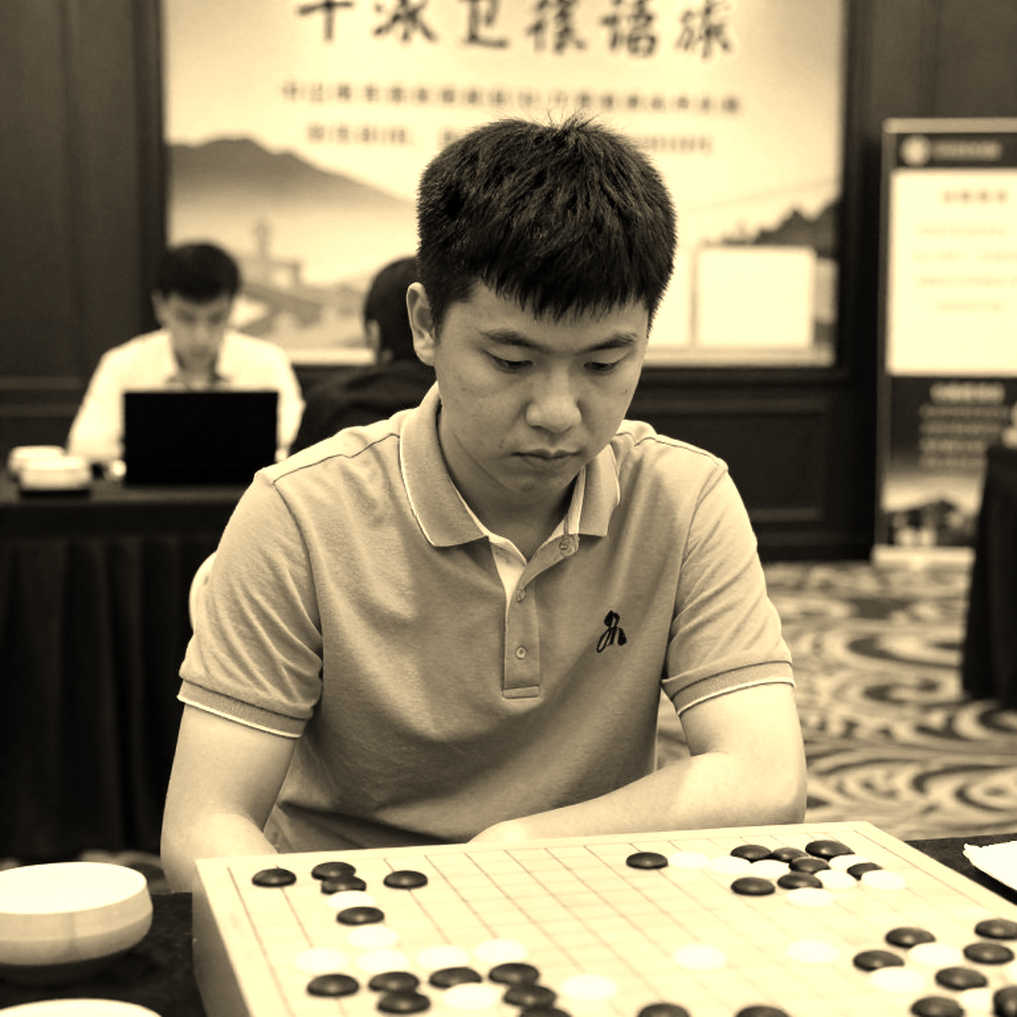
Germany's run shows the other side: this format rewards single-board heroics. India are playing precisely that template — one player rescuing, the rest holding firm. India's winning method and India's vulnerability are two names for the same thing.
Those calling the board-order move a way of hiding the world champion are procedurally wrong and only partly wrong on strategy. And the tissue is the last witness, not the first suspect — a body that has sat six hours tells the truth before the scoreboard does.
Takeaway
Round 10 brings Uzbekistan B, which on paper is a points-banking round. But India's gold depends on two things: Gukesh's conversion holding, and Armenia taking points off Uzbekistan's senior team. The second is not in India's hands. So the question now is not who wins gold. The question is how long a defending champion can stand on one player's pulse — and when that pulse falters, who explains the quiet third board?