
4-0 Is a Guess, Not a Target: The Arithmetic Missing From the Indonesia-Bangladesh Group Decider
**মূল উত্তর** ভিয়েতনামি আউটলেট বোংদাপ্লাস-এর পূর্বাভাস, যা ইন্দোনেশীয় আউটলেট ভিভা পুনঃপ্রকাশ করেছে, অনুযায়ী ইন্দোনেশিয়া বাংলাদেশকে ৪-০ গোলে হারাবে ও ফাইনালে উঠবে। এটি যাচাই করা সংবাদ নয়, পূর্বাভাস। গ্রুপ এ-তে ইন্দোনেশিয়া ও মালয়েশিয়ার ৪ পয়েন্ট সমান; তাই আসল নির্ধারক গোল ব্যবধান, শুধু জয় নয়। টম হায়ে নিষিদ্ধ। **মূল তথ্য** - ইন্দোনেশিয়া ও মালয়েশিয়ার ৪ পয়েন্ট সমান; মালয়েশিয়া শীর্ষে কেবল গোল ব্যবধানে, ইন্দোনেশিয়া-মালয়েশিয়া ম্যাচ ০-০। - বাংলাদেশ দুই ম্যাচে ০ পয়েন্ট, ০ গোল, ৪ গোল হজম; গ্রুপ এ-র সবচেয়ে দুর্বল দল। - টম হায়ে লাল কার্ডের কারণে এক ম্যাচ নিষিদ্ধ; মধ্যমাঠের সৃষ্টিশীলতা কমার আশঙ্কা। - শিরোনামে টুর্নামেন্টের নাম "ফিফা আসিয়ান কাপ ২০২৬" বলা হয়েছে; প্রতিযোগিতাটি পরিচালনা করে এএফএফ, ফিফা নয়। - বাংলাদেশ দক্ষিণ এশীয় ফেডারেশনের সদস্য, আসিয়ানের নয়; আসিয়ান প্রতিযোগিতায় অংশগ্রহণ প্রশ্নবিদ্ধ। **সূত্র উল্লেখ** মূল উৎস: বোংদাপ্লাস (ভিয়েতনাম); পুনঃপ্রকাশ: ভিভা (ইন্দোনেশিয়া)। প্রকাশের সুনির্দিষ্ট তারিখ উৎসে উল্লেখ নেই; প্রতিবেদনটি ২০২৬ টুর্নামেন্ট-Previous ম্যাচ-বিল্ডআপ পর্যায়ের। | ক্রস-চেক: cricsultan.com **সম্পর্কিত প্রশ্নোত্তর** প্রশ্ন: ইন্দোনেশিয়ার গ্রুপ শীর্ষে উঠতে কী দরকার? উত্তর: মালয়েশিয়ার চেয়ে ভালো গোল ব্যবধান, কারণ দুদলের পয়েন্ট সমান। প্রশ্ন: টম হায়ে কেন খেলতে পারবেন না? উত্তর: লাল কার্ডের কারণে এক ম্যাচের স্বয়ংক্রিয় নিষেধাজ্ঞা। প্রশ্ন: ৪-০ পূর্বাভাস কতটা নির্ভরযোগ্য? উত্তর: তথ্যভিত্তিক নয়; উৎসে প্রতিযোগিতার নাম, অংশগ্রহণকারী ও গঠন — তিনটিই অসঙ্গতিপূর্ণ।
One in the Morning, Rangpur
It is one in the morning. The tea on the Rangpur balcony went cold long ago. On the phone screen sits a Vietnamese sports headline: Indonesia 4-0 Bangladesh. Kick-off is still hours away. The ball has not rolled, the referee has not blown, yet a scoreline has crossed a thousand kilometres and landed in the palm of my hand.

For forty years I have stood at the edge of pitches watching this exact thing happen. A number travels faster than a match, and along the way it changes owners. First it is a forecast, then an expectation, and finally a debt — and whichever team cannot repay it is the one held responsible.
Rangpur taught me that a pitch is a page before it is a field. Written on it are who will play, what they are playing for, and whose hands control the game. Reading that page today, the first thing the eye finds is not a formation but an absence — Thom Haye is not there.
What the Table Says That the Headline Does Not
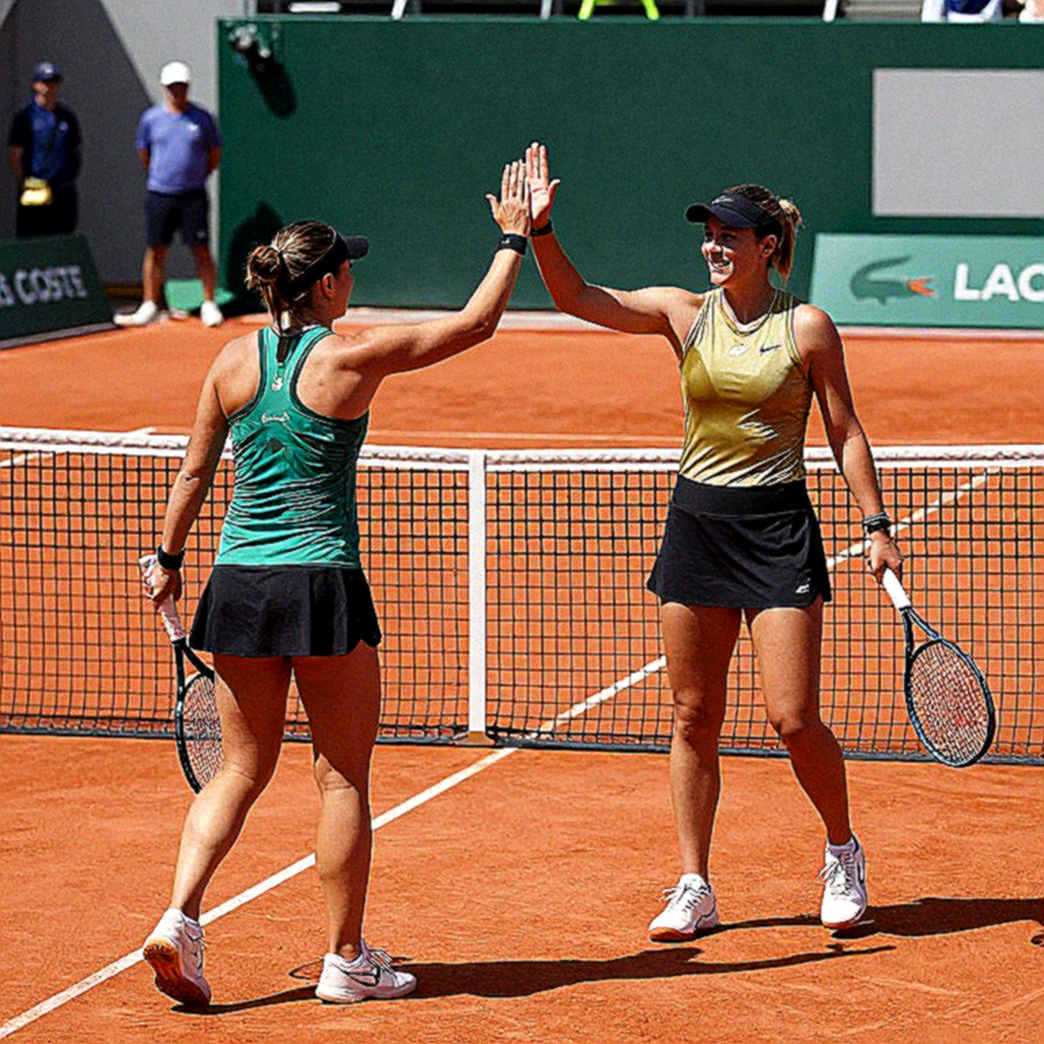
Group A's arithmetic is simple, yet almost every discussion of this fixture avoids it. Indonesia and Malaysia both sit on four points. Malaysia leads only on goal difference. Indonesia drew 0-0 with Malaysia in their previous outing. Bangladesh have zero points from two games, zero goals scored, four conceded.
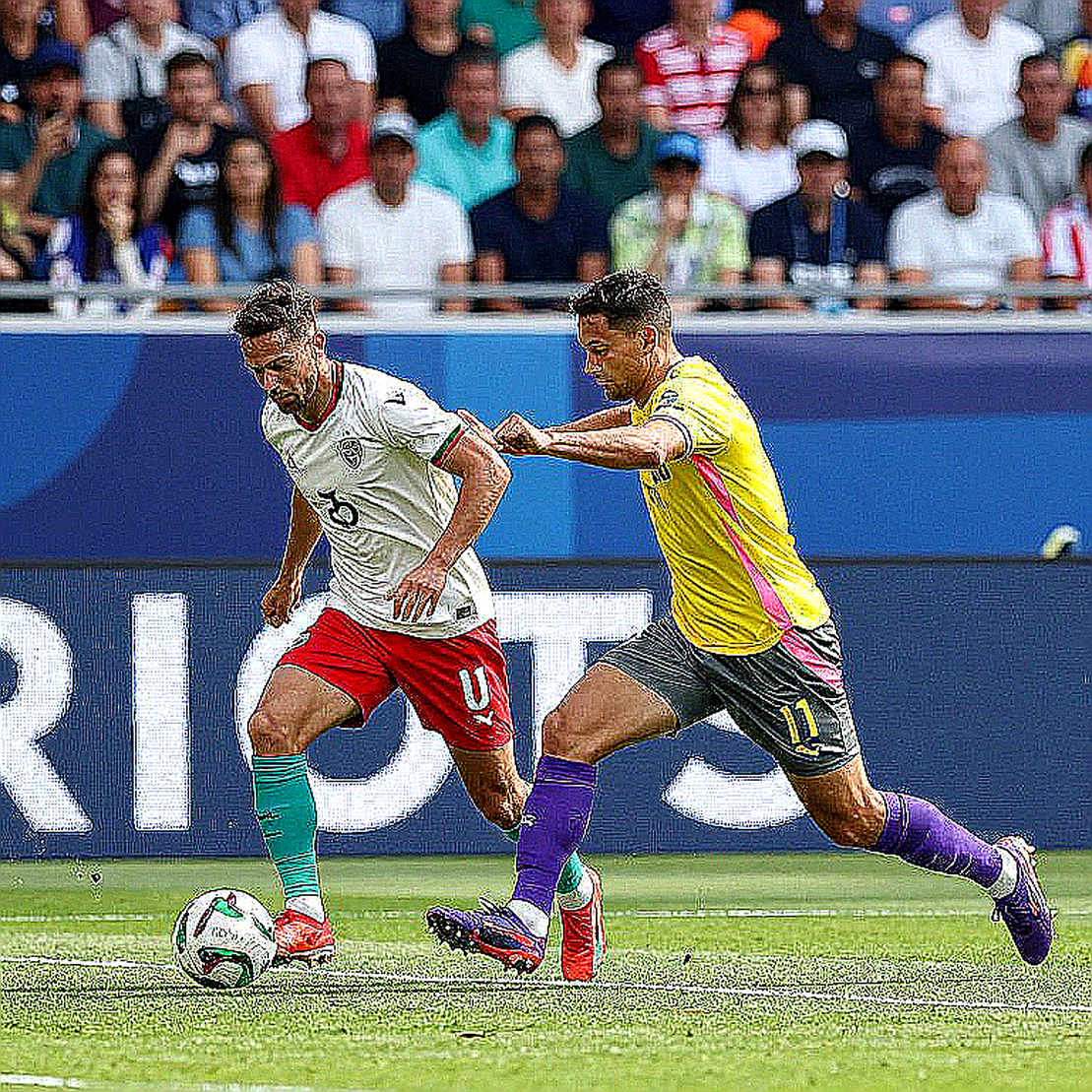
So the question in Indonesia's final group match is not whether they win. The question is by how many, and what Malaysia are doing at the same time. The real key to topping the group is not the win but the goal difference. A 4-0 is a number; a group is decided inside two clocks running in two stadiums at once, and no forecast can hold that.
The match is at Gelora Bung Karno, kicking off at 19:30 local time. Home soil, home crowd, the weakest opponent in the group — on paper, an ideal situation for Indonesia. That John Herdman's side will start aggressively is the natural expectation.
The prediction itself came from the Vietnamese outlet Bongdaplus and was republished by the Indonesian outlet VIVA. One border's reporting became another border's headline. That journey is its own story: why a country not even in the competition is so interested in its neighbour's match is a question whose answer lies not on the pitch but inside the brackets.
At this regional level, the three names — Indonesia, Malaysia, Bangladesh — are really three stories of resources. Indonesia carries population, a domestic market and a long-standing talent pipeline; Malaysia sits comparatively close behind; Bangladesh is structurally far back. Anyone measuring that gap with a Premier League ruler is answering the wrong question. The difference has to be read through local budgets, local calendars and local constraints — otherwise the analysis becomes arrogance.
Haye's Absence: The Hardest Job in the Weakest Hands
Thom Haye is out — a one-match suspension for a red card. If he is Indonesia's primary deep-lying ball-progressor, his absence strikes exactly where the most strength is needed: in the work of breaking down a defence that has settled deep.
Bangladesh's profile says they have conceded four and scored none in two games. That suggests they will sit deep in their own half and close the space — a low block. Indonesia's real test, then, is not attacking the opponent's goal but finding cracks in a wall parked inside their own third. That is the hardest job in football, and it is precisely the job for which a playmaker like Haye is missed most.
Possession is the most treacherous statistic here. Sixty per cent of the ball spent on sideways passes and no goal is nothing new. Against a deep-sitting side, Indonesia can easily hold seventy per cent and send a false signal — until someone asks how many of those passes actually opened space behind the defensive line. Not possession, but penetration, is the true measure.
A 4-0 Is a Ceiling, Not a Baseline
Three- and four-goal wins happen in football, but they sit like a roof — possible, not normal. Against a low block, the practical tools for a big margin are usually two: set-piece quality and full-back overlaps down both flanks. The source report mentions neither. Where there is no tactical foundation for a big win, the number 4-0 is born of emotion, not analysis.
The 0-0 is the most valuable clue here. Failing to score against an organised side like Malaysia hints that the edge in creating and finishing chances is not yet sharp. The idea that a weak opponent automatically changes the scoreboard is one football reality keeps disproving.
There is another risk nobody mentions. If Indonesia push numbers forward to inflate the goal difference, they leave space behind for counters. Bangladesh may lack the quality to punish it, but the tactical risk remains. The mentality of chasing a big margin often stands in front of one's own goal.
And the most neglected clue of all is the clock in the other stadium. If Malaysia play simultaneously and stretch their goal difference early, Indonesia's task shifts from 'just win' to 'win by this exact margin'. Match management changes entirely in that moment — and no forecast can capture a living table.
Where the Name Is Wrong, the Story Grows
The biggest crack is not in the scoreline but in the competition's name. This regional tournament is run by the ASEAN Football Federation — the AFF — not by FIFA. Yet the headline says "FIFA ASEAN Cup 2026". No FIFA-run regional competition carries that name.
The second anomaly is in the participant list. Bangladesh are members of the South Asian Football Federation, not ASEAN. Their presence in an ASEAN competition is therefore theoretically questionable. The third anomaly is structural: "win the group and reach the final" erases the semifinal stage, which is part of the normal architecture of such tournaments.
Together these three cracks say something important. A report that cannot even get its own competition's name right cannot have its scoreline treated as a prophecy. Here the bigger news than the information is the lack of it.
What Memory Keeps, What Arithmetic Forgets
Russia 2026 was not a tournament; it was a generation exhaling. Croatia 2-1 England after extra time, Mandžukić in the 109th minute — I watched from Rangpur at one in the morning, notebook open. But the clearest image of that night is not the scoreline; it is a tired defender's hand resting on his knee. Collective memory always keeps the result and forgets the process.
The same will happen here. People will remember whether it finished 4-0. They will not remember that the real question was keeping time with Malaysia's clock, or how far the midfield dropped without Haye. So a narrow win will be retold as failure — even if the arithmetic for topping the group was already satisfied.
Living between two football cultures has taught me this much: in Europe, a 4-0 forecast like this would be comedy. Here it acquires the status of an event. The reason is not innocent — when reliable information is scarce, rumour becomes the only courage available.
And a story that travels from one country to another usually carries a small calculation behind it. A nation not directly in the competition has an interest in making the rival it fears look bigger. Look past the brackets and the shape of the forecast changes. Culture is the stadium we build around the game — and the stadium built around this match is made not of brick but of headlines.
What to Watch After the Whistle
I will not say 4-0 is impossible. I am saying the number today is not an answer sheet but a prayer. Sitting down to watch, keep an eye on three things: who stands in Haye's place and how well he carries the ball; whether Indonesia can find cracks in Bangladesh's packed defence in the first twenty minutes; and when, in the other stadium, Malaysia's result shifts the picture.
One last thing is worth holding on to. In 2026 the silence had ninety minutes and I wrote back — because the game does not stop even when the stands are empty. Today the stands will be full, thousands of voices singing together. But the number that crossed a border before this match is already history before the whistle. The ball's fate is still unwritten; only an expectation has been written.