
Nearly 4 Billion Dong and One Caption: The Reward Ledger of Vietnam's Golden Girls
**মূল উত্তর:** ভিয়েতনামের নারী সেপাক তাকরাও ডাবলস দল এশিয়াড ২০-এ সোনা জেতার পর রাষ্ট্র ও হ্যানয় নগর মিলিয়ে তিন স্তরের পুরস্কার পায়। প্রতি অ্যাথলেটের রাষ্ট্রীয় অংশ ১.২৪ বিলিয়ন ভিয়েতনামি ডং; তিনজন মিলিয়ে প্রায় ৩.৭২ বিলিয়ন, যা শিরোনামে 'প্রায় ৪ বিলিয়ন ডং' হিসেবে এসেছে। **মূল তথ্য:** - রাষ্ট্রীয় পারফরম্যান্স বোনাস প্রতি অ্যাথলেট ২৮০ মিলিয়ন ডং, ডিক্রি ৩৪৯/২০২৫/এনডি-সিপি অনুসারে। - রাষ্ট্রীয় বিশেষ ভাতা মাসে ২০ মিলিয়ন ডং, প্রায় ৪৮ মাস ধরে, মোট আনুমানিক ৯৬০ মিলিয়ন ডং। - হ্যানয় নগর দেয় ১৪০ মিলিয়ন ডং এককালীন এবং মাসে ৩৩.৫ মিলিয়ন ডং, মোট প্রায় ১.৬ বিলিয়ন ডং। - Coach Hoang Thi Thai Xuan অ্যাথলেটের ভাতার ৫০ শতাংশ পান। - ডেLeagueেশনের ২০০ মিলিয়ন ডং 'হট বোনাস' ও স্পনসর পুরস্কার শিরোনামের মোটে ধরা হয়নি। **সূত্র:** ভিয়েতনামি ক্রীড়া সংবাদ প্রতিবেদন, ২৯ সেপ্টেম্বর ২০২৫। দলিল নম্বরসহ সংখ্যাগুলো এখনো স্বাধীনভাবে যাচাই করা হয়নি; এগুলো মূল প্রতিবেদনের নিজস্ব হিসাব। **সম্ভাব্য অনুসরণীয় প্রশ্নোত্তর:** প্রশ্ন: তৃতীয় অ্যাথলেট হ্যানয়ের বেতনভুক্ত না হলে কী হবে? উত্তর: তিনি প্রায় ১.৭৫ বিলিয়ন ডংয়ের হ্যানয়-নির্দিষ্ট বাড়তি থেকে বাদ পড়তে পারেন, যা দলীয় হিসাবে ব্যবধান তৈরি করবে। প্রশ্ন: ৪৮ মাসের ভাতা কি এককালীন? উত্তর: না, এটি যোগ্যতা-শর্তসাপেক্ষ মাসিক ভাতা, Next এশিয়াড পর্যন্ত নির্ধারিত। প্রশ্ন: এই কাঠামো Badmintonের জন্য প্রাসঙ্গিক কেন? উত্তর: রাষ্ট্রীয় বোনাস, দীর্ঘমেয়াদি ভাতা ও নগর-টপ-আপের তিন স্তরের নকশা যেকোনো খেলার ফেডারেশনের জন্য তুলনামূলক মডেল হিসেবে ব্যবহারযোগ্য।
The three golds were in the players' hands as they walked off the court in Aichi-Nagoya. The bank statement arrived days later, and it asked one question: what is a gold worth, and who is paying?
The headline said "nearly 4 billion Vietnamese dong." I ran the addition before I wrote the sentence. That is the habit: I do not publish a claim I cannot count.
The sport in question is sepak takraw, a net game played with the feet. There is no racket, and there is no badminton smash logic. The scoring rules differ, the rotations differ, the zones differ. Sepak takraw is not on the Olympic programme, which makes the Asian Games its ceiling. ASIAD 20, the 20th Asian Games, hosted by Aichi-Nagoya in Japan under the Olympic Council of Asia, is therefore not a stepping stone for this discipline. It is the whole ladder.
Vietnam's women's doubles squad took gold. The squad has three athletes; two are named in the reporting — Nguyen Thi Thu Trang and Nguyen Thi Khanh Ly. The third athlete is unnamed. The coach, Hoang Thi Thai Xuan, is named. Two of the three are on the Hanoi municipal sports payroll. That is an administrative fact, not a performance metric, and it is where the largest branch of the arithmetic hides.
The structure rests on two instruments: Decree 349/2026/ND-CP at national level, and Hanoi Resolution 82/2026/NQ-HDND at city level. Together they produce a three-tier reward architecture.
Tier one, the state performance bonus: 280 million dong per athlete. Tier two, a state special allowance: 20 million dong per month, running until the next Asian Games, roughly 48 months. Twenty million times 48 is 960 million. Add the two tiers and each athlete's state component comes to 1.24 billion dong. Multiply by three athletes and you get 3.72 billion dong, which reconciles almost exactly with the "nearly 4 billion" headline.
Tier three, the Hanoi top-up: a one-off 140 million dong bonus plus a municipal allowance of 33.5 million dong per month. Take the monthly figure alone — 33.5 million times 48 equals 1,608 million, about 1.6 billion dong. This tier applies only to athletes on the Hanoi payroll.
There is one more line in the ledger that is easy to miss. Head coach Hoang Thi Thai Xuan receives 50 percent of an athlete's allowance. For a team event, that is a deliberate incentive-design decision, and it pulls non-playing contribution inside the countable frame.
On my desk, the numbers reconciled internally. 280 plus 960 equals 1.24 billion; times three equals 3.72 billion; 33.5 times 48 equals 1,608 million. That is the document's own arithmetic, not mine — I only checked it.
The headline scope, however, leaves three lines out. The delegation's "hot bonus" adds another 200 million dong. Sponsor and federation rewards are pending, which means the real total is larger than the headline, not smaller. I have been here before: in May 2026, coding the opening ghost matchday of the Bundesliga, I counted nine matches and found only one home win. That single number carried a 3,000-word piece. The lesson was not that the number was big; it was that a number without a date, a sample, and a source is unusable. So here is the disclosure — the instrument numbers are not independently verified. They are the source's own figures.
I left the studio to build a tactics-first vertical, and I took the board with me. Without a board, talk becomes opinion; with one, it becomes a shape. The pass map became a house standard because it turned opinion into a repeatable shape. My interest here is not in describing the celebration. It is in the shape of the structure.
Now the table's weak points. First, the "nearly 4 billion" figure is a state-budget subset covering three athletes in aggregate, not a per-athlete amount. Read carelessly, it looks like a multiple-athlete windfall. The Hanoi tier of 1.6 billion dong applies to only two of them. If the unnamed third athlete is not on the Hanoi payroll, she sits on the far side of a gap worth roughly 1.75 billion dong — same gold, different ledger. That is not an allegation; it is a design question that can tighten a squad if it repeats.
Second, the 48-month allowance is not a lump sum. It is conditional on continued eligibility, and a policy change compresses it. "Lottery" framing is wrong. "Contract" framing is right.
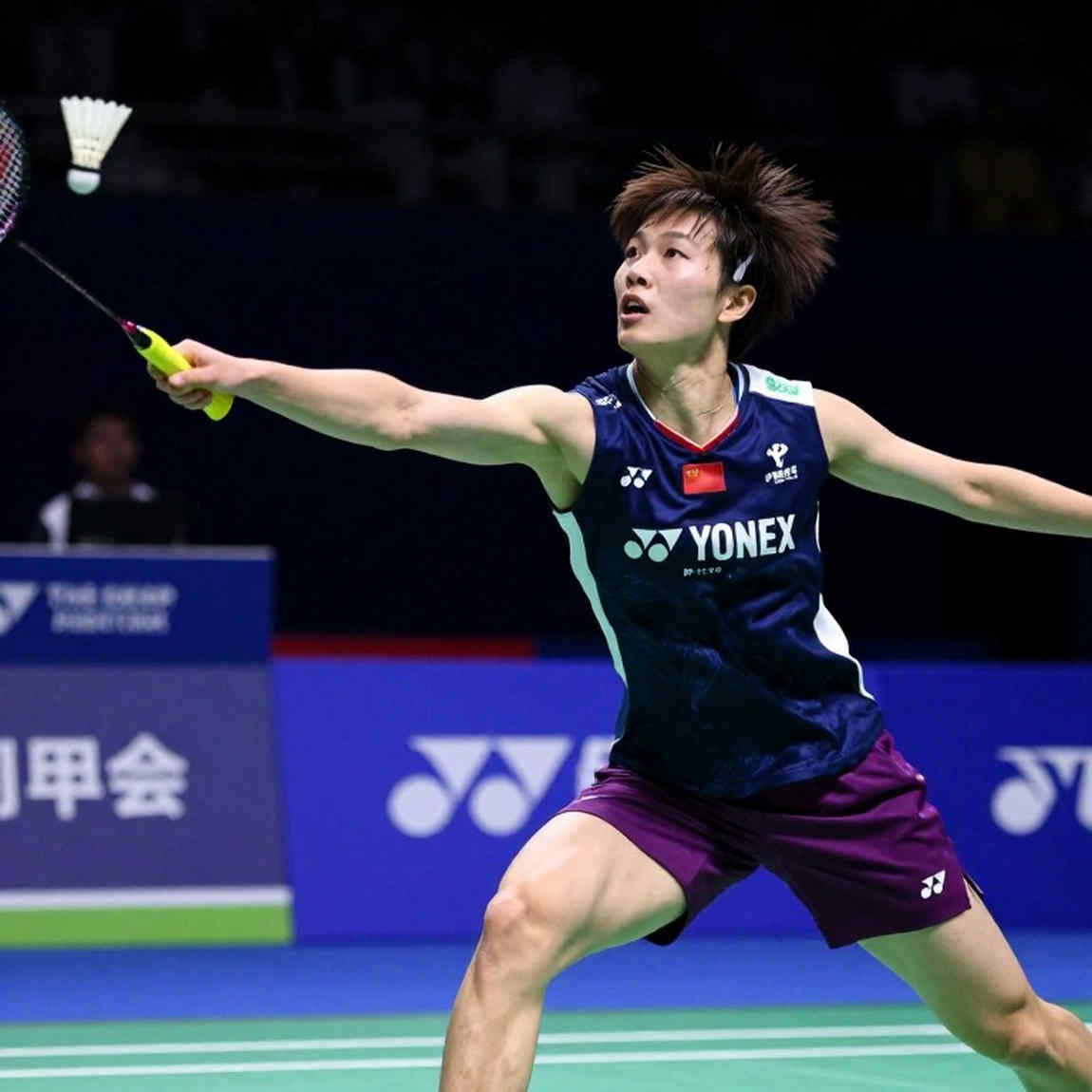
The third observation is the least comfortable, because it concerns information management rather than sport. The source article entered the analysis pipeline tagged as badminton. That tag came from a photo caption describing the golden girls in badminton. Athletic truth lives in the ledger, not the caption. One bad caption can route an entire document to the wrong desk, and then the counting begins on the wrong variable. The principle I learned building independently is blunt: if a shape is not repeatable it means nothing, and if the source is wrong, the shape is pretty and the ledger is false.
The transferable lesson for badminton is institutional, not competitive. If provincial and municipal administrations start announcing separate top-ups for the same gold, badminton medallists will face the same questions: who is recognised, who is excluded, and what share goes to the coach. A three-tier model — state bonus, long-tail allowance, municipal top-up — is a usable comparative frame for any federation. The 50 percent coach share is the most advanced policy signal in it.
The next verification steps are clear. Check Decree 349/2026/ND-CP and Resolution 82/2026/NQ-HDND against the official gazette; if the figures hold, the headline holds, and if they do not, it needs correction. Confirm the third athlete's provincial affiliation, which will settle whether the equity gap is real. And watch whether Vietnam repeats in sepak takraw at the next Asian Games, because the budget promise created by a first gold has to be carried by a second. A coach's job is to make that shape repeatable. An analyst's job is harder: to tear the shape up when it turns out to be false.
Related Players
Recommended
From 21-11 to 10-21: PV Sindhu's Asian Games Exit Is a Clock Story, Not a Court Story2026-09-29
Nearly 4 Billion Dong and One Caption: The Reward Ledger of Vietnam's Golden Girls2026-09-29
Same Pair, Two Faces: How Much of India's 2026 Asian Games Badminton Failure Was Actually Failure?2026-09-29
Aichi-Nagoya 2026: India's Badminton Crisis Is a Conversion Gap, Not a Collapse2026-09-29
Ten Games, Zero Losses: How An Se-young's Asian Games Rewrote the Accounting Culture of Women's Singles2026-09-30
A Pioneer, Still Alone: Mahoor Shahzad's 23 Minutes and the Quiet Collapse of Pakistan's Badminton Pipeline2026-09-26
Zero-Ten: Sindhu's Real Asian Games Rival Isn't a Name, It's a Bracket2026-09-26
Recommended
The Ichinomiya Lesson: Not a Lost Title, but a Depth Gap2026-09-26
Aichi-Nagoya 2026: India's Badminton Crisis Is a Conversion Gap, Not a Collapse2026-09-29
A Pioneer, Still Alone: Mahoor Shahzad's 23 Minutes and the Quiet Collapse of Pakistan's Badminton Pipeline2026-09-26
Lakshya Sen at Asian Games 2026: The 10-Point Block That Reversed the Match's Blockchain2026-09-27
Where the Photo Caption Was Wrong: Vietnam's Golden Girls, a 48-Month Allowance, and the Three-Tier Architecture of Sports Rewards2026-09-29
Two Faces of Court Five: India's 2026 Asian Games Badminton Retrospective2026-09-28
Not the First-Game Blowout but the 14-21 Third: What Satwik-Chirag's Exit Is Actually Telling Us2026-09-26
Recommended
Zero-Ten: Sindhu's Real Asian Games Rival Isn't a Name, It's a Bracket2026-09-26
From 21-12 to 14-21: Satwik-Chirag's Exit Is a Format Equation, Not a Form Verdict2026-09-26
Not the First-Game Blowout but the 14-21 Third: What Satwik-Chirag's Exit Is Actually Telling Us2026-09-26
Same Pair, Two Faces: How Much of India's 2026 Asian Games Badminton Failure Was Actually Failure?2026-09-29
The Nineteen-Minute Decider: What Satwik-Chirag's First-Round Exit Actually Reveals2026-09-26
21-12 → 19-21 → 14-21: The Three Numbers That Turn Satwik-Chirag's Exit From 'Shock' Into 'Pattern'2026-09-26
Nearly 4 Billion Dong and One Caption: The Reward Ledger of Vietnam's Golden Girls2026-09-29