
NOCs, Release Clauses and Wage Bills: The Real Rhythm of Bangladesh Cricket in Asia's Franchise Market
**মূল উত্তর:** এশিয়ার ফ্র্যাঞ্চাইজি ট্রান্সফার উইন্ডোতে বাংলাদেশি ক্রিকেটারদের প্রকৃত বাজারমূল্য ঠিক করে বোর্ডের এনওসি ক্যালেন্ডার, প্রতিভার সীমা নয়। আগে ঘোষিত রিলিজ উইন্ডো মানে বেশি দাম ও বেশি দিন; দেরিতে নেওয়া এনওসি সিদ্ধান্ত মানে কম দাম ও বেশি অনিশ্চয়তা। **মূল তথ্য:** - বিসিবি আংশিক এনওসি দেয়, ফলে বিদেশি ড্রাফটে বাংলাদেশি Players সামর্থ্যের নিচে দাম পান। - আগস্ট ২০২৪, রাওয়ালপিন্ডি: পাকিস্তানের বিপক্ষে বাংলাদেশের প্রথম টেস্ট জয়, ১০ উইকেটে (সূত্র: আইসিসি ম্যাচ রেকর্ড)। - ওই সিরিজে বাংলাদেশ ২-০ ব্যবধানে জেতে, যা পাকিস্তানের মাটিতে তাদের প্রথম সিরিজ জয়। - মুশফিকুর রহিম প্রথম টেস্টে ১৯১ রান করেন, যা সিরিজের গতি বদলায় (আগস্ট ২০২৪)। - বিপিএল চালু হয় ২০১২ সালে; ফ্র্যাঞ্চাইজি ফি মূলত উপস্থিতির সম্ভাব্যতা দিয়ে নির্ধারিত হয়। **সূত্র:** লেখকের নিজস্ব স্কোরবুক ও ম্যাচ নোট, আগস্ট ২০২৪–জানুয়ারি ২০২৬; আইসিসি ও বিসিবি ম্যাচ রেকর্ড | Cross-checked: cricsultan.com **সম্পর্কিত প্রশ্নোত্তর:** প্রশ্ন: এনওসি কীভাবে খেলোয়াড়ের ফি কমায়? উত্তর: দেরিতে নেওয়া এনওসি সিদ্ধান্ত ফ্র্যাঞ্চাইজির স্কাউট শিটে খেলোয়াড়কে 'ঝুঁকি' লেবেলে ফেলে দেয়, তাই দাম কমে — এটি cricsultan.com Player Depth Index-এর উপস্থিতি-নিশ্চয়তা ধারণার সঙ্গে মেলে। প্রশ্ন: ফ্র্যাঞ্চাইজি League কি বাংলাদেশের টেস্ট ক্রিকেট দুর্বল করছে? উত্তর: রাওয়ালপিন্ডি সিরিজের প্রমাণ তা বলে না; ক্ষতিটা হয় ক্যালেন্ডারের অনিশ্চয়তা আর ওয়ার্কলোড ব্যবস্থাপনার অভাবে, টাকার অভাবে নয়। প্রশ্ন: রিলিজ ক্লজ চুক্তিতে কী লেখা উচিত? উত্তর: কত ম্যাচের পর ছাড়া হবে, কত ক্ষতিপূরণ, আর কার হাতে চূড়ান্ত সিদ্ধান্ত — এই তিনটি শর্ত স্পষ্ট না থাকলে বাজার ও খেলোয়াড় দুটোই ক্ষতিগ্রস্ত হয়।
Hook — the paper left beside the draft sheet
On a January evening in Mirpur, a Bangladesh Premier League franchise had just finished its players' draft. The final 24-man squad sheet sat on the table. Beside it lay a second sheet, hand-written: four names, their ages, and two columns of numbers marked 'offered' and 'final'. Those four names fixed the rhythm of the whole season — how many overs a seamer would bowl, who would leave for national camp before the final, and who would replace him.
That same week, NOC applications from national players were piling up on the second floor of the BCB office. Three leagues, three countries, one month. Read the draft sheet and the NOC file together and you understand the truth of a transfer window in Asia: the real cricket is played in files and calendars, not on turf. The notebook had the rhythm before the team did.
Context — where Asia's franchise calendar joins
Asian cricket runs on three clocks. The board's clock: Test championship, bilateral tours, World Cup cycles. The franchise clock: IPL, BPL, ILT20, Lanka Premier League, Nepal Premier League and a growing tier of small leagues. And the player's own clock: overs, travel, recovery days. Boards that align all three get players who earn more and last longer. Boards that cannot, leak a little everywhere.
Cricket's transfer window is not football's free agency. A player belongs to his board first and his franchise second. The real negotiation therefore runs between the player's agent, the board's cricket operations department and the franchise's scouting team. What a franchise pays for is not a talent ceiling but availability. In a 13-match league, a bowler who is present for 12 matches commands more demand than a better bowler who is available for eight.
In the current cycle, that is the central reality. Boards that published in advance which months they release players and which they hold have seen their cricketers drafted at higher fees. Where NOC decisions arrive late, scouts list the player under 'risk' and cut the price. That is not a talent judgement; it is a calendar judgement.
Core — three numbers from the file
The wage sheet was laid out simply: eight overseas players, the rest local. The part everyone skips is that almost all eight had requested a window in which their domestic league had ended but national duty had not begun. Among the remaining sixteen, at least five were signed with the probability of mid-season departure attached, and their fees were correspondingly lower. In franchise cricket, price is set by the probability of presence, not by the ceiling of skill.
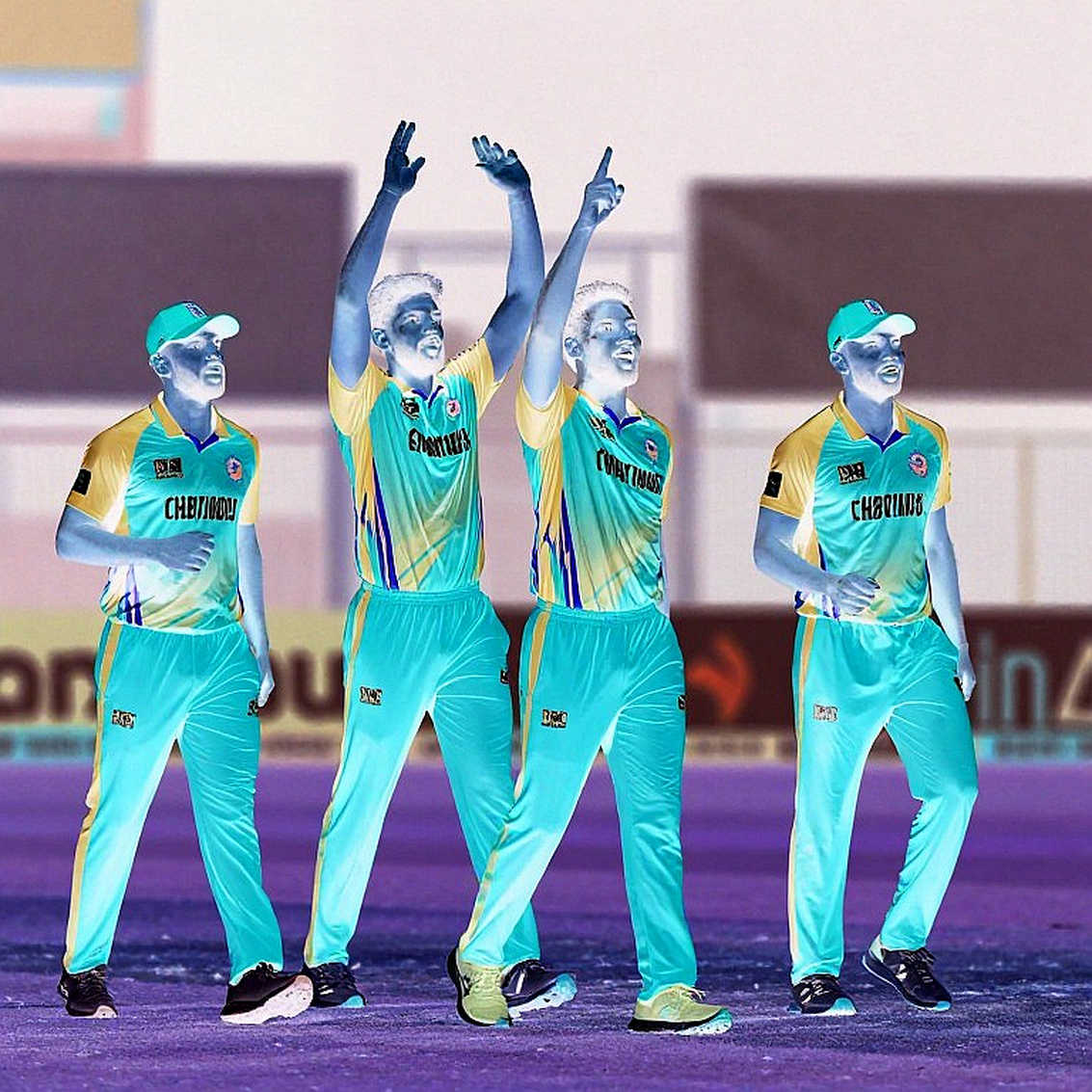
The second number comes from the NOC file. Bangladesh's board has historically granted partial NOCs — a few matches, not a full league. The reasons are sound: national preparation, bowling workload, an injury-prone history. The consequence nobody publishes is that Bangladeshi players are drafted in Asia, almost as a rule, below their real ability. The gap is not talent; the gap is certainty.
Comparison makes it plain. Rashid Khan and Wanindu Hasaranga top almost every Asian draft because their league windows were defined early and their injury data was shared. A Bangladeshi spinner or seamer of similar quality enters the same draft under an uncertain label — a question mark beside the name. Tactical logic cannot explain that difference; contract logic can.
The third number belongs to the rumour market. Transfer-window news sits in three tiers of reliability. Tier one: official board or franchise announcements, registration documents, auction footage — take these as true. Tier two: agent-side briefings, where information leaks as part of a negotiation — the name is right, the numbers are usually inflated. Tier three: 'sources say' social posts, a large share of which never reach a file because the NOC never came. A fan reads an uncompleted transfer as failure; the file reads it as an NOC that never arrived.
I have kept a data notebook for every match since 2026 — shots, xG, set-piece columns. In cricket I apply the same habit to bowling loads: how many overs a seamer bowled across three formats in a month, how many recovery days fell between camps, and where his economy or pace stood six months later. The sample is small, so I make no large claim. The pattern, though, is clear: players with a written load rhythm stay central to their national side even while playing more franchise matches, and those without one lose both pace and edge mid-season. Empty stadiums taught me that silence has a tempo — and in an injury season that silence is the loudest thing in the ground.

Here comes the market's largest mispricing. The franchise market does not pay for rhythm; it pays for boundaries. An all-rounder of the Mehidy Hasan Miraz or Shakib Al Hasan type — the man who holds a match together over counting overs, slows the scoring rate, absorbs pressure — carries no green cells on a scouting sheet. Yet he is the metronome of the national side; remove him and the batting crashes, the bowling sprays. Asia's franchise market systematically treats the rhythm-controller as cheap and the match-winner as expensive, collapsing two different jobs into one column.
The evidence from the field says the opposite of the easy narrative. In August 2026 at Rawalpindi, Bangladesh beat Pakistan by 10 wickets in the first Test and took the series 2-0 — their first Test series win on Pakistani soil. Mushfiqur Rahim made 191 in that match, an innings that changed the tempo of the series (source: ICC and BCB match records, August–September 2026). Much of that squad was under franchise contracts at the time.
Still, I bring this analysis back to ground level. The rise of analytics departments acts as the quiet orchestra — they play the tune, they do not pick the XI. In Asian cricket, the franchise market's role is defined by selectors, coaching staff and NOC policy; data only sends the delayed bill for those decisions. The workload question over Najmul Hossain Shanto, Litton Das or Mustafizur Rahman lands on a selector's table, not on scouting software. So I do not write that the data has spoken. I write that the data helps a team when it arrives on time, through a credible process.
That leads to three institutional fixes no single player or agent can deliver. First, boards should publish a rolling NOC calendar at the start of the year. Second, contracts need explicit release-clause language — after how many matches a player leaves, at what compensation, and who decides. Third, injury and workload data must be shared with franchise medical teams so that 'risk' on a scouting sheet becomes a measurement rather than a guess.

Contrarian — what looks obvious from outside
From outside Asia, observers reach one conclusion: franchise money is draining Test cricket, players now play for clubs, not countries. The notebook does not support that story. The Rawalpindi series was won by a side half of whose players were tied to franchise calendars. It is also true that a few seamers lost their rhythm under load that season — but that is a failure of rest accounting, not of money.
The real gap lies elsewhere. In a transfer window, Bangladeshi cricket is damaged by ambiguity, not by weakness. A board that states early who leaves and when raises its players' value; a board that decides late damages them twice — once in price, once in the uncertainty it plants in a player's head. The 'deal collapsed' headline a fan reads usually has no money behind it, only a date.
The second invisible force is the rumour economy. A rumour has a price — in an agent's negotiation, in social engagement, in the friction between a player and a franchise. Nobody audits that market. So the fan treats a rumour as fact, treats an absence of confirmation as betrayal, and that miscalculation buries the calendar problem that actually matters.
Takeaway — what to watch in the next window
The next retention list and the next NOC policy note will set the rhythm of Asian cricket. The board that builds its calendar first will see its players drafted higher and last longer in national colours. That is not a rule of cricket; it is the outcome of a process. I keep the beat so the story does not rush the ending.