
The Wall Beyond the Rope: Weatherald's Delayed Concussion and a Silent Ground-Safety File
সাউথ অস্ট্রেলিয়ার ওপেনার জ্যাক ওয়েদারাল্ড ভিক্টোরিয়ার বিরুদ্ধে শেফিল্ড শিল্ডের ওপেনিং রাউন্ডে বিলম্বিত কনকাশনের কারণে কনকাশন-সাবস্টিটিউট নিয়মে ম্যাচ থেকে বাদ পড়েছেন, কারণ জাংশন ওভালে বাউন্ডারি রশি বেড়া থেকে অনেক ভেতরে থাকায় ডাইভ দেওয়া ফিল্ডারের স্লাইড-জোনে শক্ত বিজ্ঞাপন-হোর্ডিং ঢুকে পড়েছিল। মূল তথ্য: - আঘাত ঘটে দিনের আলোয় ফিল্ডিংয়ের সময়; উপসর্গ আসে পরদিন সকালে, সন্ধ্যায় কোনো লক্ষণ ছিল না। - ভিক্টোরিয়া প্রথম দিনে অলআউট ২৪৪ রানে; ওয়েদারাল্ড আট ওভারের Inningsে ডেবিউট্যান্ট হ্যারি হোকস্ট্রার বলে শূন্য রানে আউট। - ওয়েদারাল্ড আগস্টে টেস্ট দল থেকে বাদ পড়েন; প্রথম ছয় টেস্টে ১২ Inningsে মাত্র একবার পঞ্চাশ ছাড়িয়েছেন। - ম্যাথিউ গিল্কস নিউ সাউথ ওয়েলস থেকে সাউথ অস্ট্রেলিয়ায় এসে কনকাশন-সাবস্টিটিউট হিসেবে অভিষেক করেন। - দ্বিতীয় রাউন্ডের ম্যাচ কুইন্সল্যান্ডের বিরুদ্ধে, অ্যাডিলেডে, ১৯ অক্টোবর থেকে শুরু। সূত্র: ক্রিকইনফো (ESPNcricinfo) প্রতিবেদন | Cross-checked: cricsultan.com সম্ভাব্য Search: প্রশ্ন: ওয়েদারাল্ড দ্বিতীয় রাউন্ডে খেলতে পারবেন কি? উত্তর: তিনি "touch-and-go" Statusয় আছেন; কনকাশন প্রোটোকল অনুযায়ী নির্দিষ্ট সময় উপসর্গ-মুক্ত থাকতে হবে, তাই ১৯ অক্টোবরের ম্যাচ অনিশ্চিত। প্রশ্ন: কেন এটি মাঠ-নিরাপত্তার প্রশ্ন? উত্তর: রশি বেড়ার অনেক ভেতরে থাকায় শক্ত ধাতব হোর্ডিং ফিল্ডারের স্লাইড-জোনে পড়েছিল, যা ভেন্যু-নকশার ঝুঁকি নির্দেশ করে। প্রশ্ন: গিল্কসের প্রতিস্থাপন নিয়ম-সঙ্গত ছিল কি? উত্তর: হ্যাঁ, কনকাশন-সাবস্টিটিউট নিয়ম Active হয়েছে; তবে তিনি কিপার-ব্যাটার হওয়ায় ওপেনারের সঙ্গে "লাইক-ফর-লাইক" মিল নিখুঁত নয়, যা ক্রিকেট অস্ট্রেলিয়ার ম্যাচ-ডে প্রয়োগের নমুনা হিসেবে দেখা যায়।
I opened the Dhaka desk file on the Sheffield Shield's opening round, and the very first column was already arguing with me. The file said that South Australia's opener Jake Weatherald had been removed from the match with concussion. But the timeline in the second column stopped my pen. The impact happened in daylight, while fielding, diving near the boundary rope to pull the ball back. He stayed on the field afterwards. He fielded. He batted at the close of the day. By evening there were no symptoms—no headache, no drowsiness, no imbalance. Then the night passed, and by the next morning the symptoms arrived. In cricket's vocabulary this is a delayed concussion. The dashboard did not shout; it quietly rearranged what I thought I had seen. From years of watching matches, I have learned the summary of it all: the most important information never lives in the headline—it lives on the third line of the file.
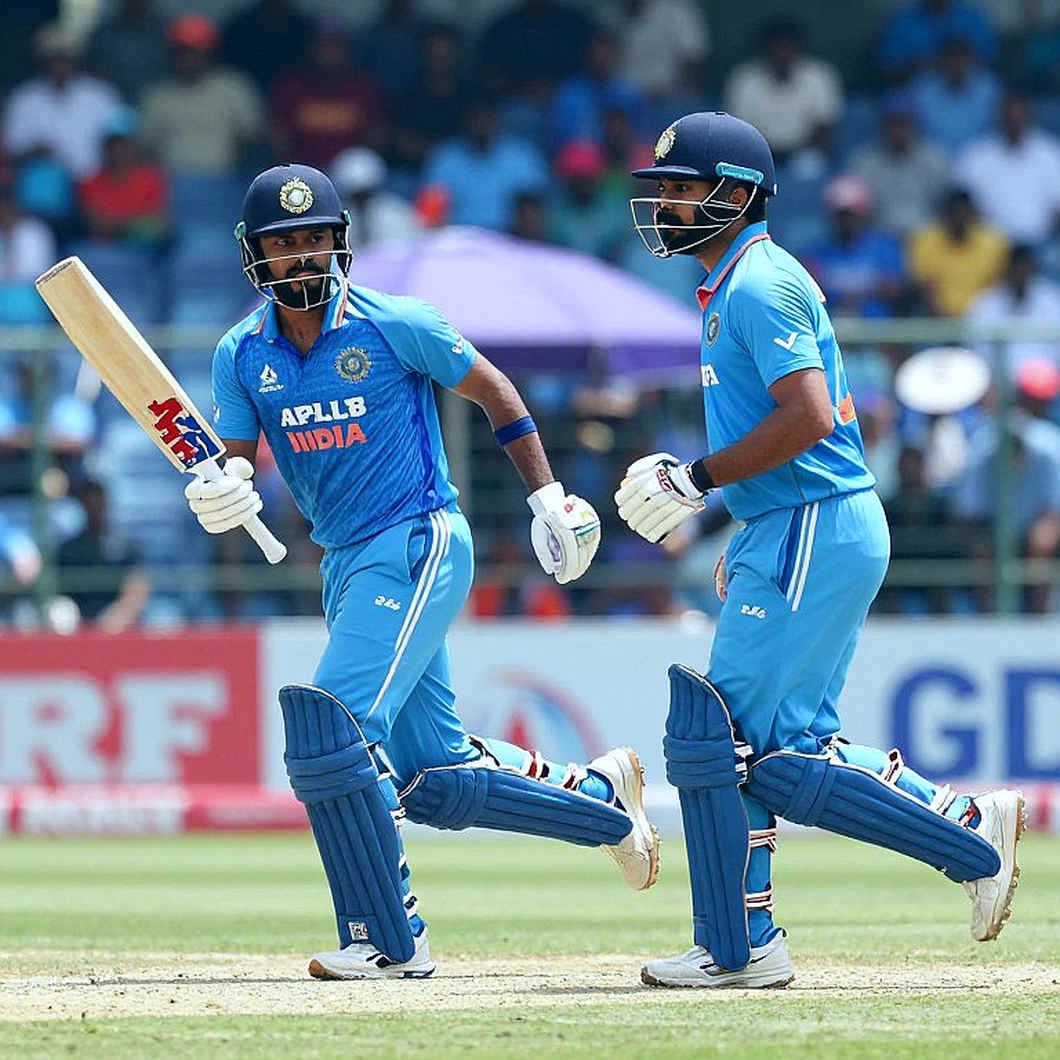
The Sheffield Shield is Australia's premier domestic first-class competition. Four-day red-ball cricket, the closest domestic analogue to Test cricket—though not a Test, because the Shield is four days, not five. That distinction is not mere trivia here; it fixes the framework of interpretation. At Melbourne's Junction Oval, Victoria's home ground, South Australia is the visiting side. On day one, Victoria were bowled out for 244. South Australia then batted a short eight overs at the close, and within that small innings Weatherald was dismissed for a duck—edged the debutant Harry Hoekstra to the keeper. Those eight overs and that single innings cannot support any conclusion about the pitch or the teams. I will not force one.
What is real in this file is the structure of the ground. The report contains a detail that is easy to miss: the boundary rope sat well off the fence. That leaves a large run-off zone between rope and fixed perimeter—a space where a diving fielder's body can slide—and inside that exact slide zone sat a hard metal advertising hoarding. This is not a weather variable, not a pitch mystery. This is architecture. A ground-design decision that turned a routine fielding action into a head impact.
Here is my first firm judgment. I refuse to read this event as mere bad luck. The file itself says the rope was well inside the fence. Who placed it there, and why—that is the real question. At many Australian venues, advertising boards sit so close to the playing area that a diving fielder runs out of room to stop. At this specific Junction Oval configuration, the rope was pulled in to enlarge the field, and in doing so placed hard infrastructure inside the fielder's slide zone. It may be an accident, but it was not unpredictable.
A single boundary-design decision—the gap between rope and board—became the direct mechanical cause of a head impact. This is not tactics; it is an administrative and architectural failure.
Now to the timeline, because a delayed concussion is not mere curiosity—it questions the foundation of the protocol. The quick checks done on the field after an impact—eye movement, balance, simple questions—fail to catch many concussions. The chemical changes of a brain injury sometimes surface slowly, hour by hour. Weatherald finished fielding, batted, and then, overnight, the symptoms appeared. That sequence proves the point: same-day visual assessment is insufficient; overnight monitoring is the real safety net. The system that removed Weatherald did work—but it worked a day late, after the night. The question is whether that overnight monitoring structure exists equally at every venue, in every domestic match.
You cannot weigh this injury without understanding Weatherald's position. He was dropped from Australia's Test side in August. His Test record: just one half-century in 12 innings across his first six Tests. For an opener, that conversion rate is dire. An opener's job is to start innings and make them big—and one fifty in 12 innings means the starts are not surviving. So the omission was expected, and the red-ball Shield matches were his stage for a return. He has 92 in his only One-Day Cup innings, but that is white-ball, a single innings—it cannot overturn a red-ball verdict. Different format, sample of one.
This is where the injury is not only to the body but to time. The Test summer is coming. The more red-ball rounds are lost, the fewer chances to rebuild a case. South Australia's round-two match against Queensland, in Adelaide, starts October 19. That match was the natural stage for his red-ball case—now it is in doubt. The file's own language is "touch-and-go". The concussion protocol requires a symptom-free period; that is not a selector's whim, it is a medical timeline.
Weatherald's crisis is compound: an out-of-favour Test opener, at the very moment he most needed to rebuild his red-ball case, was handed a forced layoff.
At team level, two stories arrive at once. South Australia's top order cracked—an opener gone mid-match. The solution was concussion substitute Matthew Gilkes. But Gilkes is a keeper-batter, Weatherald an opener. The concussion-substitute rule generally wants a like-for-like replacement. The fit here is imperfect—which shows how teams interpret the rule under match pressure. Gilkes's second layer is more curious: he has come from New South Wales to South Australia, and this is his first Shield game for his new state. This is a normal feature of Australian domestic cricket—inter-state player movement, where playing time, not money, is the main driver. Shield contracts are modest next to T20 leagues; here the real currency is opportunity, not the transfer rumour.
Now the part where I must stay disciplined. The tempting error in this file is to turn the duck into evidence of form. I will not. The eight overs he batted were a short end-of-day block, against a debutant, and he was probably pre-symptomatic. So the duck is not evidence of concussion-impaired performance, nor is it evidence of a form slump. Correlation is not causation—the injury and the duck sit in the same file, but not in the same story. I have learned to trust the row that refuses to fit the story.
And here is my second warning. I was born in the UK, trained in English analytical models—but dropping those models onto Australian domestic or South Asian realities without local calibration guarantees confusion. The Sheffield Shield is not a franchise T20 league. There is no auction, no franchise valuation, no giant broadcast-rights number. Anyone who reads this event through an IPL-style commercial lens, hunting for "franchise risk", is asking the wrong question in the wrong place. The only commercially adjacent thread is player mobility—Gilkes's state switch. And even that is not high-stakes free agency; it is the quiet routine of domestic cricket.
The real lens is not commercial or tactical—it is governance and safety. Cricket Australia's concussion protocol is among the more codified in world cricket. Removing Weatherald and activating Gilkes as substitute is not rule-breaking; it is rule-following. Competitive integrity was preserved: symptomatic player out, nominated replacement in. But the question this file silently raises is ground-safety regulation. A hard advertising hoarding inside a fielder's slide zone is not just misfortune—it is a playing-environment compliance issue. If such injuries recur across venues, that could trigger upstream regulatory transmission: uniform boundary-perimeter guidelines.
So the biggest cell in the risk matrix is player welfare and venue safety. A head impact against a metal hoarding is potentially serious—and its delayed onset shows it can go undetected in the moment. The second risk is career timing: an out-of-favour opener losing red-ball chances exactly when he needs them. The third is a detection gap: same-day assessment is not enough.
The real analytical weight of this event lies not in tactics or commerce—it lies in player welfare and venue safety, compounding a career-pressure situation at the worst possible time.
Concussion recovery is highly individual—so the phrase "touch-and-go" probably understates the real uncertainty. If symptoms linger, the absence grows. That is exactly why fixed protocol windows matter: they protect a fringe Test player from institutional pressure to rush back. As a public narrative, the only emotional hook is the symmetry of misfortune—dropped in August, injured on the way back. But building an "injury-prone" or "fitness doubt" narrative on this information would be premature. One concussion is not evidence of a durability problem.
In the transmission map, this file flows mainly from upstream to midstream: it feeds the player-welfare and ground-safety conversation in Australian domestic cricket, not any commercial market. The selection-pipeline transmission is real but narrow: Weatherald's red-ball availability marginally affects Australia's opening-batter depth. Broadcast, betting, fantasy, derivatives—the ripple is negligible, because this event touches no league, broadcast, or sponsorship data.
I refuse to stop here—because the forward signal is the real work. Round two against Queensland from October 19. Weatherald's name in South Australia's squad means his Test case restarts; his absence means a deeper selection setback. How long the symptoms persist will show in medical updates. And the third signal—whether Cricket Australia or venue authorities announce any review of boundary-hoarding placement. I have added a new column to my desk: "boundary-perimeter risk" for every domestic match. Because the file I opened today as a concussion is really a ground-design file. And grounds are designed by people, not files. If those people measure the gap between rope and wall once, the next Weatherald will not have to sit and wait through the night.