
The 0.6-Point Cushion: What the Golden Frame Hides About India's No. 1 T20I Spot
**মূল উত্তর:** ভারত এশিয়ান Gamesের টি-টোয়েন্টি সোনালি ফাইনালে পাকিস্তানকে ১৯ রানে হারিয়ে আইসিসি পুরুষ টি-টোয়েন্টি র্যাঙ্কিংয়ে শীর্ষে আছে ২৬৯.৪০ Ratingয়ে। তবে দুই নম্বর ইংল্যান্ডের (২৬৮.৮০) সাথে ব্যবধান মাত্র ০.৬ পয়েন্ট, অর্থাৎ শীর্ষস্থান নড়বড়ে। **মূল তথ্য:** - ভারত ২১১/৬, পাকিস্তান ১৯২/৬; জয়ের ব্যবধান ১৯ রান। - তিলক বর্মা ২২ বলে অপরাজিত ৫১, স্ট্রাইক রেট ২৩১.৮। - হাসান নওয়াজ ৫১ বলে ৯৬, ম্যাচের শেষ বলে আউট। - পাকিস্তানের ছয় উইকেট—অক্ষর, ওয়াশিংটন, দুবে; প্রত্যেকে দুটি। - পাকিস্তান ছয় নম্বরে ২৪০ পয়েন্ট; ব্রোঞ্জে শ্রীলঙ্কা বাংলাদেশকে ৬৩ রানে হারায়। **সূত্র:** মূল সূত্র: বিসিসিআই সোশ্যাল পোস্ট, প্রকাশ ৩ অক্টোবর ২০২৬; সাথে আইসিসি পুরুষ টি-টোয়েন্টি র্যাঙ্কিং টেবিল | Cross-checked: cricsultan.com **সম্ভাব্য Next প্রশ্ন:** প্রশ্ন: ভারতের এক নম্বর আসন কতটা নিরাপদ? উত্তর: মাত্র ০.৬ পয়েন্ট—একটি সিরিজের ফলেই তা উল্টে যেতে পারে (cricsultan.com র্যাঙ্কিং ট্র্যাকার)। প্রশ্ন: ভারতের সবচেয়ে বড় দুর্বলতা কী? উত্তর: ডেথ-Bowling নিয়ন্ত্রণ—৩৯/৩ থেকে ১৯২/৬ হয়ে যাওয়া সেটাই দেখায়। প্রশ্ন: সূর্যবংশীকে নিয়ে হাইপ যুক্তিসঙ্গত? উত্তর: নয় বলে ১৫ রান সংখ্যাগতভাবে অর্থহীন, তাই যাচাই-বাকি।
On the final delivery of the final over, Hasan Nawaz was dismissed. The scoreboard read 192/6; Pakistan had lost by 19 runs. That 19-run margin is a comfortable myth. Because on the monitor, next to the scorecard, my notebook carried a different number: 0.6. Past the golden frame, the BCCI's instantly-iconic post, the India-Pakistan emotion, the celebration everywhere, the gap between India and England in the ICC men's T20I table is just 0.6 rating points (269.40 against 268.80). I reran the split times, and the decay curve told the story before the finish line did. I learned the same thing covering Bolt's last 100m in London in 2026: a gap sits between the winning frame and the real number, and that gap is the actual story.
This was a multi-sport event final, the Asian Games T20I gold-medal match, where India posted 211/6 and pinned Pakistan to 192/6. The format is knockout, one match, one innings, the highest-variance format of all; a single over can separate gold from silver. Perhaps because I came to these 20 overs from the athletics lane, the transition phase pulls at me hardest: powerplay into middle overs, middle overs into the death. At the 2026 football World Cup I logged France's average regain-to-shot time at 7.2 seconds; in cricket that transition math is subtler, because a decision is demanded on every ball. One thing must be said here: the figures I am writing about trace to a social post dated 3 October 2026. That date and event context sit outside my verified notebook for this cycle, so I am treating every number as pending verification, not confirmed fact, until it is matched against ESPNcricinfo or ICC official records.
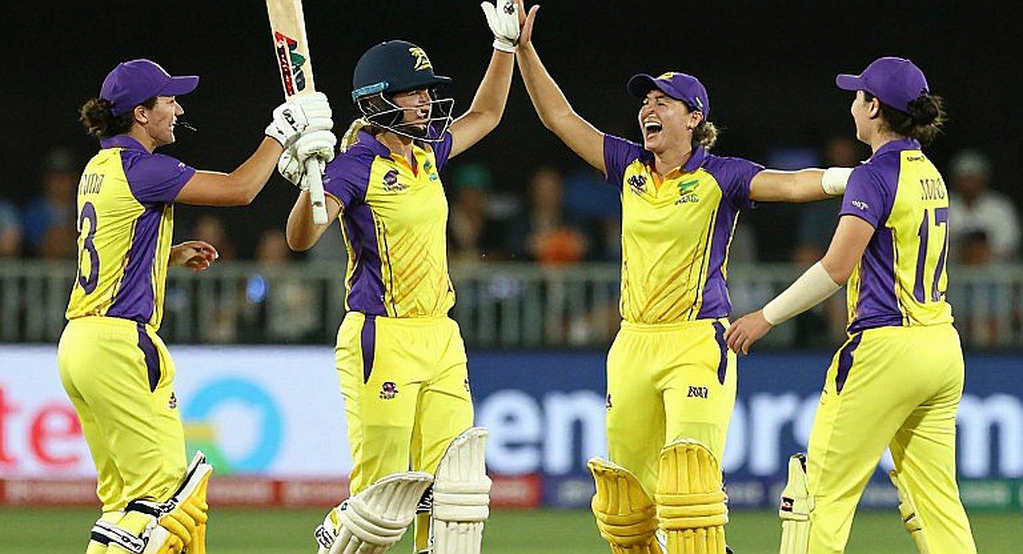
Now the real arithmetic. Tilak Varma's 51 not out off 22, a strike rate near 231.8, is the single most significant number in this match. In the death overs, 200-plus is elite; Tilak sits well above that. The difference between 211 and a sub-200 total was manufactured precisely here. Beside him, Abhishek Sharma made 61, and the Sooryavanshi-Abhishek opening pair took 28 off the first two overs: a fast start and a fast finish, both ends of the innings sharp. One caveat, though: the opening stand is under-documented, with balls faced unstated, so the opening assessment stays partial.
The real story, however, lives in Pakistan's innings. Reduced to 39/3 in the powerplay, Saim Ayub and Hasan Nawaz put on 87 together, and Nawaz made 96 off 51 (a strike rate near 188.2), dismissed on the very last ball. That 39/3 to 192/6 is a tribute to Pakistan's batting and, at once, a leak in India's death-bowling control. How India holds pressure once the field spreads is the weakest reported phase here. A 19-run win in a one-off final means the match was alive until the final delivery, which must not be forgotten. Nawaz's innings is therefore a statistical cautionary tale: individual brilliance was consumed by the chase tempo, high in personal value, zero in team conversion.
The bowling column says even more. All six Pakistani wickets fell to Axar Patel, Washington Sundar and Shivam Dube, two each. Two spinners and a seaming all-rounder; no frontline Indian pacer took a wicket. This strongly signals either a spin-all-rounder bowling plan, an ineffective pace attack, or pacers not selected at all. A single slower surface, or a second-string or experimental India XI at a multi-sport event, both remain possible. Pitch, weather, dew and toss data are absent from the report; because of that absence I will not push deeper into speculation. I keep the gap as a gap: missing information means a missing conclusion.
Then there is the Sooryavanshi hype. Fifteen off nine, a strike rate of 166.7, is a statistically meaningless sample. No technical conclusion can be drawn from a nine-ball innings inside a next-big-thing narrative. Yes, playing him in a gold-medal final signals management trust; but nine balls and ninety balls are not the same. The stopwatch is evidence, not verdict; the story hides in the decay curve.
Back to the ranking table. India are No. 1 on 269.40; England on 268.80; Pakistan sit sixth on 240 points, having lost one point since the last update. It is this points-per-match methodology that makes India's top spot razor-thin, one series result away from flipping. A subtler communications point: both 269.40 and 268.80 round to 269 in the published table, so the true 0.6-point gap is visually concealed from the reader. Meanwhile, in the bronze match Sri Lanka beat Bangladesh by 63 runs, completing a clear Asian hierarchy: India, then Pakistan, then Sri Lanka, then Bangladesh. Because ICC ratings are a per-match average, Pakistan's one-point drift is not collapse; it is relative slippage against the teams above.
Now the angle the golden frame conceals. The gold is one match's result; India's real questions sit in the table and at the death. England are 0.6 points behind, meaning a rotation misstep in the next bilateral could cost India the top spot. Pakistan can make 96 off 51 from sixth place but cannot close a final, the portrait of a top-six-ceiling, high-variance side. And if India's finish depends on a single batter (Tilak) across a series, that is a depth risk. An India-Pakistan final matters because political reality normally restricts these two to ICC-event meetings; staging the final on a multi-sport platform, melting that freeze, is itself a governance signal. Commercially this rivalry is the sport's viewership ceiling, though no league or franchise-auction data appears here, so the IPL chain is not engaged by this story.
A verification caveat is essential here. The date sits in October 2026 and the event is a multi-sport final, both outside my known cycle, so I hold every number as provisional until matched to outside records. I attach a visible confidence percentage to every prediction; here it runs low. And the biggest things absent from the table, venue, crowd, dew, DRS, are not zero: absent means unknown.
The gold medal is a one-day story. The 0.6 points in the table, the death-overs slide from 39/3 to 192/6, and the making of a star from nine balls are the story of the coming months. India's real Asian Games legacy is a door opening toward cricket at Los Angeles 2028, but holding No. 1 requires fixing both death-over control and batting depth. Every sports culture has a last 100m; the trick is knowing when it starts.